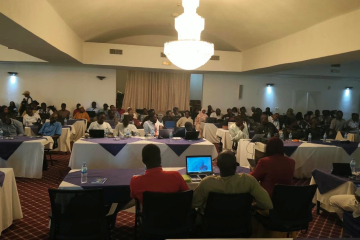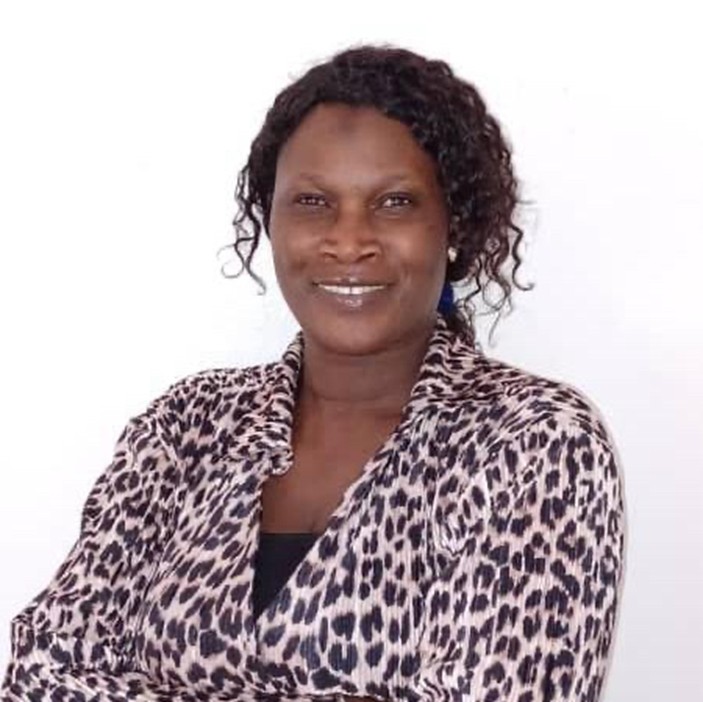
Fatou Touray Cham, National Director of Buzz Women Gambia, says millions of rural women continue to be left behind despite their critical role in sustaining households, communities, and local economies.
For decades, discussions around economic growth have largely centred on urban hubs, corporate boardrooms, and global trade corridors. Yet, Cham argues, an enormous but often invisible economic force exists in villages, farms, and local markets across the continent.
“Hidden in the fields, villages and community gatherings lies the economic power of rural women,” she said. “They are the architects of resilience, the custodians of local economies, and quiet revolutionaries shaping the future of sustainable development.”
A recent United Nations study estimates that women and girls worldwide contribute around 16 billion hours of unpaid care work every day. Rural women, in particular, shoulder the responsibility of managing households, cultivating land, and sustaining community networks. Their labour feeds nations and their creativity fuels micro-enterprises, yet their contributions remain undervalued and largely absent from economic indicators such as GDP.
Cham insists the question is not whether rural women possess economic power, but whether existing systems recognise and invest in it. “Recognising and investing in this power is not charity; it is smart economics,” she emphasised.
Recent initiatives are beginning to show results. She cited the African Development Bank’s Affirmative Finance Action for Women in Africa (AFAWA) programme, which is expanding financing opportunities for women across the continent.
In The Gambia, Buzz Women Gambia is demonstrating what happens when rural women are equipped with the right tools, knowledge, and confidence. The organisation has trained more than 40,000 women and established 457 “Beehives” – grassroots hubs where women gather to learn financial literacy, entrepreneurship, and leadership skills.
“Behind every number are lives transformed, families uplifted and communities reimagined,” Cham said. Women who once doubted their ability to manage finances are now running micro-businesses, while others who once felt voiceless are leading community initiatives. The organisation is now working towards reaching 100,000 women nationwide.
Cham explained that the Buzz Women model focuses on bringing knowledge directly to rural women in their own language and within their communities. “It is grassroots empowerment at scale. When women rise, entire communities rise with them,” she noted.
Beyond The Gambia, the movement is expanding into Tanzania, Kenya, Senegal, and Ivory Coast, reflecting a philosophy of collective action and mutual support among women. By connecting rural women across borders, the initiative is building a network of changemakers capable of influencing policy, promoting climate-smart agriculture, and advancing renewable energy solutions tailored to women farmers.
“This positions rural women not as passive beneficiaries of aid but as active leaders in Africa’s economic transformation,” Cham said.
She stressed that if Africa is to unlock its full economic potential, rural women must be recognised as central actors in development. Investment in their skills, improved access to renewable energy, and stronger inclusion in policy frameworks are critical steps toward building resilient economies.
“The untold story of rural women’s economic power must be told, celebrated and amplified until it becomes impossible to ignore,” she said.
Reflecting on Buzz Women’s journey from Gunjur in The Gambia’s West Coast Region to other parts of Africa, Cham concluded: “This is not just a social issue. It is Africa’s most overlooked investment opportunity. Change is inevitable when women lead.”