The National Human Rights Commission (NHRC) has called for stronger collaboration between civil society organisations, government institutions and other stakeholders to promote and protect economic, social and cultural rights (ESCR), stressing that human rights must go beyond political freedoms to guarantee people’s access to basic necessities.
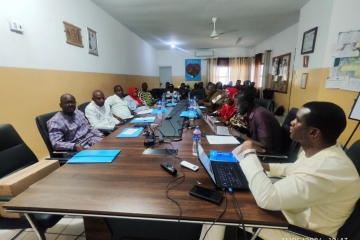
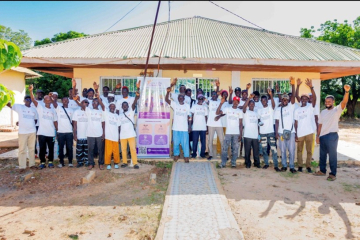
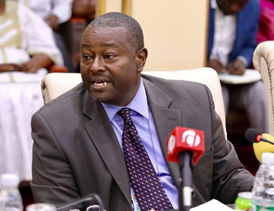
Speaking on Tuesday at the opening of a training and orientation programme for members of the Civil Society Organisation (CSO) Dialogue Platform on Human Rights at Ocean Bay Hotel, NHRC Chairman Emmanuel D. Joof said the protection and promotion of human rights was a collective responsibility that could not be left to the Commission alone.
He said although the NHRC had a statutory mandate to promote and protect human rights, its effectiveness depended on collaboration with government institutions, civil society organisations and other stakeholders.
“Promotion and protection of human rights is not only the job of the NHRC. We cannot even fool ourselves that we can do it alone. We have to do it together with the duty-bearers, that is the government itself and its agencies. You also play a pivotal role in this whole process,” he said.
Mr Joof observed that discussions on human rights often focused on civil and political freedoms, including freedom of expression, association and assembly, as well as protection against arbitrary arrest.
While acknowledging the importance of these fundamental freedoms, he said human rights were much broader and must also address people’s access to healthcare, education, adequate food, clean drinking water and a decent standard of living.
He questioned the meaning of freedom of expression to someone without access to basic healthcare, or the right to participate in public affairs to a parent who could not afford to send their children to school.
According to him, human dignity cannot be sustained by political freedoms and legal protections alone but also depends on whether people can access basic necessities and opportunities to improve their lives.
He acknowledged that the Commission had not previously given sufficient attention to economic, social and cultural rights but said its new strategic plan would expand its work in this area.
Also speaking, Yassine Driane, Deputy Executive Secretary of the African Commission on Human and Peoples’ Rights (ACHPR), underscored the importance of strengthening civil society organisations’ understanding of economic, social and cultural rights.
He highlighted The Gambia’s historical contribution to the African human rights framework, recalling the country’s role in the deliberations that led to the adoption of the African Charter on Human and Peoples’ Rights in 1981.
Mr Driane explained that economic, social and cultural rights were essential guarantees of the conditions necessary for individuals and communities to live with dignity and freedom.
He stressed that civil and political rights could not be separated from economic, social and cultural rights, noting that the African Charter recognises the interdependence of all human rights.
The rights include access to work under satisfactory conditions, physical and mental healthcare, education, participation in cultural life and protection of the family.
The training is intended to strengthen the capacity of CSO Dialogue Platform members to effectively advocate for the promotion and protection of these rights and engage relevant institutions in holding duty-bearers accountable.