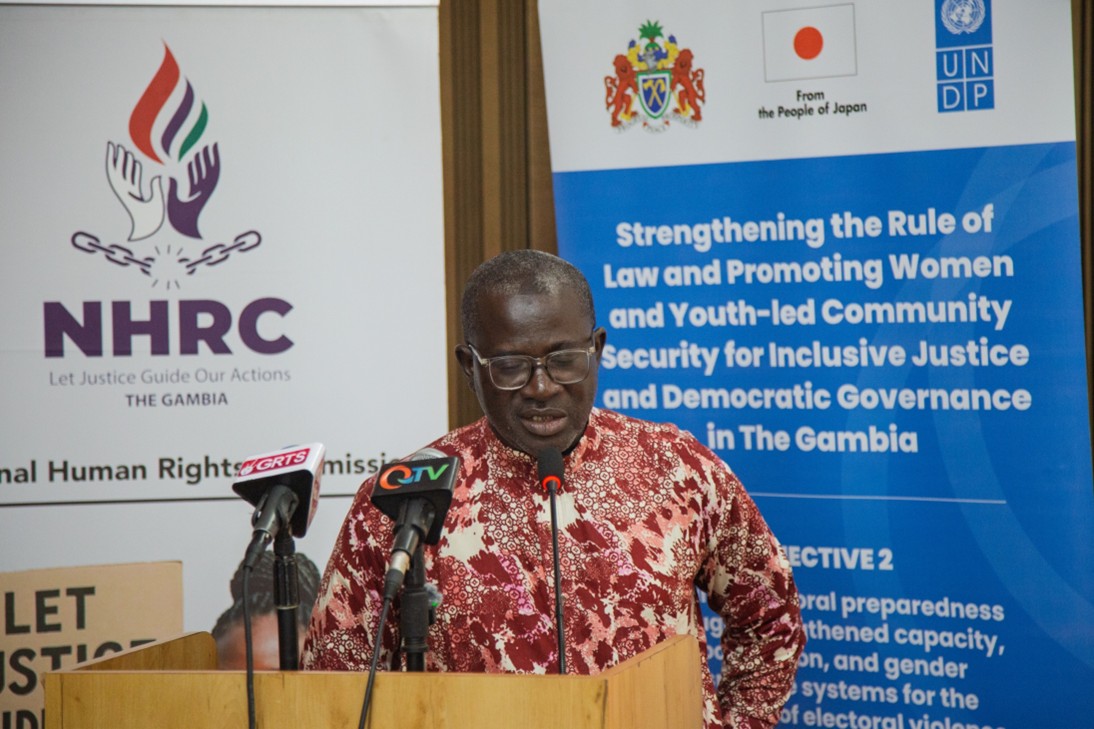
National Human Rights Commission (NHRC) Commissioner Njundu Drammeh has called for honest and critical discussions on participation, inclusion, accountability and transparency as The Gambia prepares for another electoral cycle, stressing the need to examine whether human rights principles are being respected in practice.
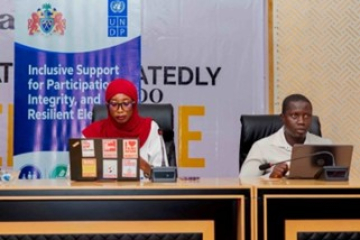
Speaking on Wednesday at the opening of a two-day training for electoral stakeholders on a human rights-based approach to elections at Bakadaji Hotel, Commissioner Drammeh urged participants to examine who is represented in the country’s political processes and who continues to be excluded.
The training, organised by the NHRC with funding from the Government of Japan through the United Nations Development Programme (UNDP), under the Japan Government Supplementary Budget Support Project, seeks to strengthen stakeholders’ capacity to apply human rights principles throughout the electoral process.
It focuses on participation, inclusion, non-discrimination, accountability, transparency and the promotion of peaceful elections.
Commissioner Drammeh said the training presented an opportunity for participants to question existing practices, identify gaps and assess whether the country’s electoral processes reflect the human rights principles recognised in theory.
“We are expected to ask hard questions,” he said, encouraging participants to examine the difference between what is expected and what happens in practice.
He challenged participants to consider whose voices are being heard in the country’s political space and whose remain unheard, urging them to look beyond formal commitments to determine whether all groups can meaningfully participate in democratic processes.
“Who is participating, and who is excluded?” he asked, highlighting the need to establish whether exclusion results from structural or institutional barriers.
He said such questions were particularly important in the current electoral context, when decisions about political participation and representation could have far-reaching consequences for the country.
According to the commissioner, the discussions should go beyond identifying problems to examining practical ways of ensuring that the guiding principles of human rights are reflected throughout the electoral process.
He emphasised that participation and inclusion must be accompanied by accountability and transparency, which are essential to building public confidence and ensuring that electoral processes respect the rights of citizens.
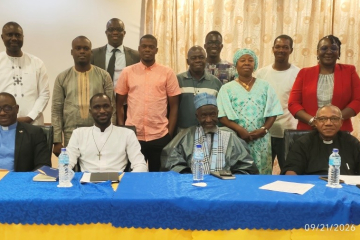
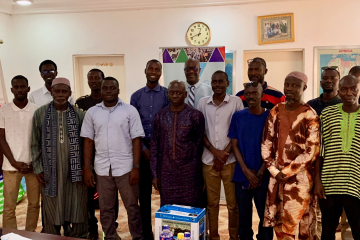
The training brings together representatives of political parties, civil society organisations and other electoral stakeholders to discuss their respective responsibilities in promoting rights-based elections.
Commissioner Drammeh said elections were too important to be left to electoral management institutions alone, noting that other stakeholders also had a responsibility to ensure that human rights were respected before, during and after elections.
He called for open and constructive conversations during the training, urging participants to raise difficult questions and critically assess the challenges confronting the country’s electoral processes.
The second day of the training is expected to focus on election-related violence and other challenges that could undermine peaceful participation and the protection of citizens’ rights.
Commissioner Drammeh also expressed appreciation to the Government of Japan and UNDP for supporting the NHRC’s work in promoting and protecting human rights in The Gambia.
He reaffirmed the commission’s commitment to accountability, stressing that institutions responsible for protecting human rights must also be prepared to account for their own actions.
The training forms part of broader efforts to strengthen the capacity of electoral stakeholders to promote an inclusive, transparent and peaceful electoral environment in The Gambia.