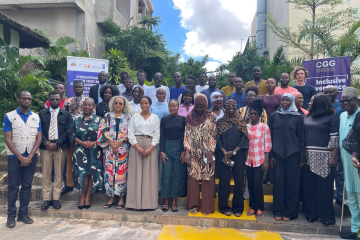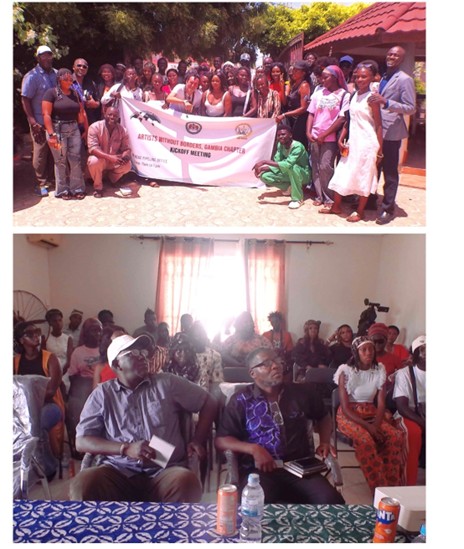
The meeting, held at the NCAC Research and Documentation Department (RDD) Annex in Fajara, brought together more than 30 stakeholders from across the country’s cultural and creative sectors, including musicians, filmmakers, dancers, writers, instrumentalists, university lecturers and students. Representatives from the Gambia Tourism Board (GTBoard), the Tourism Diversification and Resilience in The Gambia Project (TDRGP), the International Trade Centre (ITC) Gambia and other partner institutions also attended.
Speaking on behalf of the Ministry of Tourism, Arts and Culture (MOTAC), Senior Assistant Secretary Ebrima Baldeh underscored the growing importance of the creative industry as a driver of national identity, cultural preservation and economic development.
He urged young artists to take their craft seriously, describing music and the arts as powerful platforms for promoting The Gambia’s heritage and projecting a positive image of the country on the global stage.
“Music has gone beyond melody. It carries a message, and that message represents who we are as a people. Through music and the arts, we can showcase our culture and tell the world what The Gambia stands for,”Baldeh said.
He reaffirmed government’s commitment to supporting artists, noting that the Ministry of Tourism, Arts and Culture, through the NCAC, will continue creating opportunities that enable young creatives to develop their talents and contribute to national development.
Director of Literature and Performing Arts at the NCAC, Sanna B. Jarju, described the meeting as an important milestone for the country’s creative sector.
He said the engagement builds on the successful participation of Gambian artists at last year’s ECOFEST Festival of Arts and Culture in Dakar, Senegal, facilitated through Artists Without Borders.
Jarju noted that the gathering provided a unique platform for artists, cultural institutions and development partners to exchange ideas and identify practical strategies for advancing the country’s arts and culture industry.
The founder and Director of Artistes Without Borders, Lech Szporer, outlined the organisation’s vision of creating a global movement that harnesses the transformative power of art to educate, heal communities and inspire positive social change.
“The big idea of Artists Without Borders is to build a global arts and culture movement that can have a meaningful impact on communities around the world,” he said.
Emphasising the wider social value of the arts, Szporer added: “I believe art saves lives. It liberates people, educates them, heals communities and helps rebuild societies. Artists have a crucial role to play in shaping the future.”
He announced that The Gambia has become the first country in the world to establish an Artists Without Borders chapter, describing the development as a landmark achievement for both the organisation and the country’s creative sector.
According to him, the Gambian chapter will lay the foundation for a stronger network of artists capable of creating employment opportunities, supporting youth development and helping build a more structured and sustainable creative industry.
“We want to build a movement of artists who can inspire change, create opportunities and help shape the Gambia we all want to see in the future,” he said.
Participants used the interactive session to discuss challenges confronting the creative industry, including limited funding, inadequate infrastructure, skills development and access to international markets, while exploring partnerships that could unlock new opportunities for Gambian artists.
Organisers described the meeting as the beginning of a long-term collaboration between Artists Without Borders, the NCAC and other cultural stakeholders, aimed at positioning the creative sector as a key contributor to The Gambia’s cultural diplomacy, tourism and economic growth.