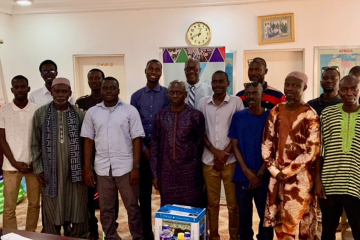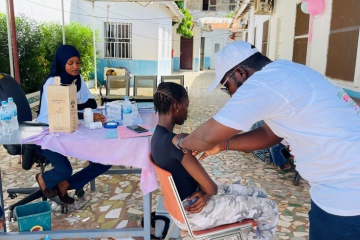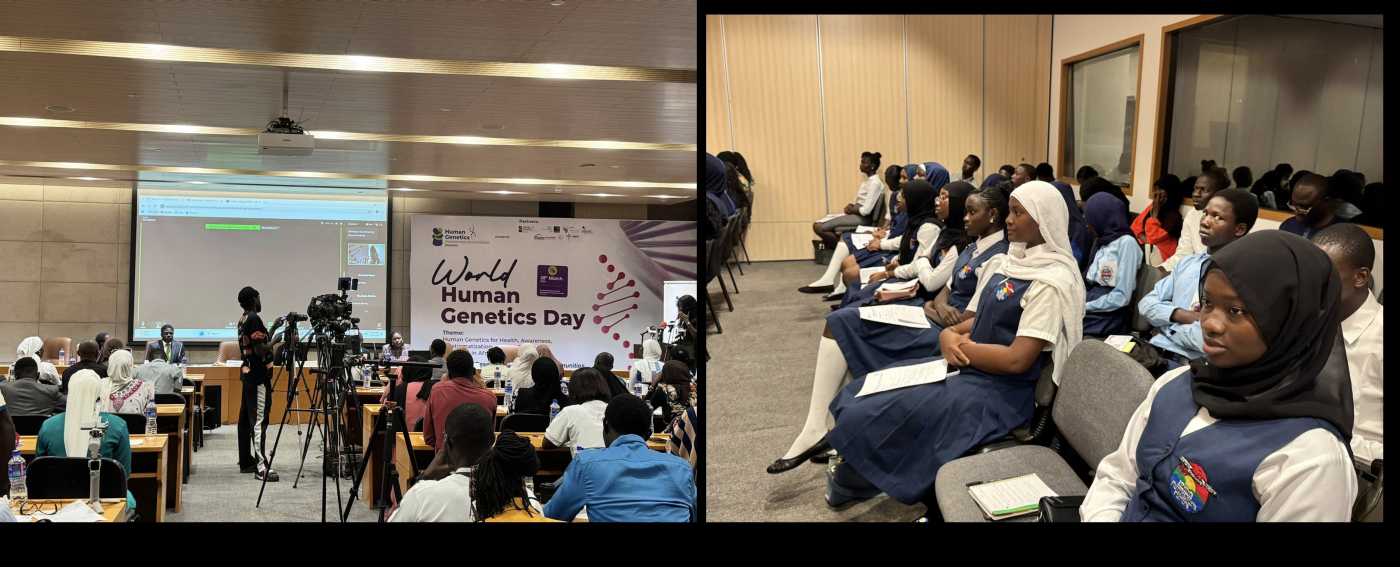
The initiative, conceived by a young Gambian scientist – Sainabou Laye Ndure through Human Genetics Awareness Association (HUGA) is part of broader initiatives aimed at improving genetics literacy in The Gambia and beyond, while also helping to establish globally recognised platform dedicated to increasing awareness of genetics in health, medicine and society.
At the event, Sainabou Laye Ndure, founder and chairperson of Human Genetics Awareness Association, explained that genetics is not something foreign, it is not something mysterious and it is not something to fear.
‘‘It is something to be excited and enthusiastic about. Genetics is not about being extraordinary. It is about being human. We are our genetics. We wouldn’t exist, without it.’’ she said.
She made reference to some examples about genetic conditions, and “these conditions live in our communities, some may be in this room.”
‘‘Sickle cell disease perhaps is the most recognised genetic condition in West Africa. A single letter change in the DNA that codes for haemoglobin — the protein in red blood cells that carries oxygen. That one change causes red blood cells to become rigid and sickle-shaped, leading to pain crises, anaemia, organ damage, and too often, early death.’’
She revealed that people still face blame or even sometimes seek spiritual explanations for a biological reality.’’
She also talked about Diabetes type 2, hypertension, chronic kidney disease among a host of others, acknowledging that genetics is not a curse but rather it is knowledge.
‘‘In much of the world, genetic testing is part of routine care. Before a pregnancy, couples can learn whether they are both carriers of sickle cell disease. Before prescribing certain drugs, doctors check genetic profiles.’’
In The Gambia, she said, this is still largely a vision and their mission is making it real, saying HuGA advocates for accessible, affordable genetic testing that is integrated into the Gambian health system — with proper consent, proper counseling, and proper community education.
Also speaking, Dr Ahmad Lamin Samateh, minister for Health, acknowledged that the event is not merely a conference, but the Gambia making history.
“For the first time anywhere in the world, we are inaugurating the World Human Genetics Awareness Day; a day that asks humanity to pause and reflect on something that unites every single one of us.”
He expressed delight that this inaugural event is taking place in The Gambia, saying the day is a declaration that Africa is not waiting to be included in the conversation that shapes the future of global medicine.
Minister Samateh thanked the founder and chairperson of the initiative Sainabou Laye Ndure for her vision, dedication and leadership role in bringing this important initiative to life.
‘‘The establishment of this event is not only timely, but also forward-looking and reflects a deep commitment to advancing both science and public health in the country and across the African continent.’’
The initiative, he added, was born out recognition that the people deserve access to science that speaks their language, meets them where they are and sees them as whom they think.
He spoke highly of the founder and chairperson of the initiative and her entire team and partners for their passion and persistence that made the day possible.
Minister Samateh used the platform to speak briefly about human genetics which he said study health traits, condition and disease that pass through families through our genes.
Professor Gabriel Ogun, Head of Department, Laboratory Medicine at the School of Medicine and Allied Health Sciences at the University of Gambia, expressed similar sentiments.
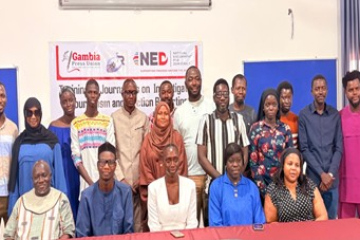
The event was graced by some of the country’s top scientists, clinicians, policymakers, students and a cross section of the communities.
It is expected that the outcome of this inaugural meeting would help shape and amplify discussion surrounding understanding of genetics, strengthened collaboration between stakeholders and the establishment of WHGD as an annual platform form e4ducation, advocacy and engagement.