The report identifies priority actions required for The Gambia to effectively implement Phase II of REDD+, a global climate initiative designed to reduce emissions, protect forests, and promote sustainable land use.
Implemented by the Department of Forestry with support from the Food and Agriculture Organization (FAO), the programme is funded by the Green Climate Fund and forms part of a wider regional effort involving Sierra Leone, Benin, Guinea-Bissau, and Guinea.
Officials emphasised that the initiative is critical to strengthening forest monitoring systems, improving access to climate finance, and ensuring the sustainable management of natural resources.
Lamin S. Jammeh, Director of the Climate Change Secretariat, warned that greenhouse gas emissions continue to drive global warming, with devastating consequences across all sectors.
“Preserving our forests is essential to reducing greenhouse gases and maintaining environmental balance,” he said, stressing that access to climate funding depends on demonstrated results.
Jammeh described REDD+ not only as an environmental tool but also as a sustainable financing mechanism, noting that countries must meet strict benchmarks before receiving payments.
Babanding Sanyang, Principal Forestry Officer, highlighted growing regional progress, stating that West African countries are strengthening their technical and institutional capacity to meet REDD+ requirements.
“Robust monitoring, reporting, and verification systems are at the heart of effective REDD+ implementation,” he stated, underscoring the need for transparency, accountability, and credibility in forest governance.
The report strongly recommends the development of key systems, including National Forest Monitoring Systems, Forest Reference Emission Levels, Safeguard Information Systems, and a comprehensive national REDD+ strategy—requirements essential for accessing results-based funding.
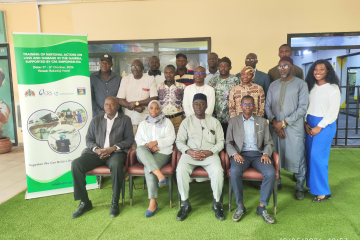
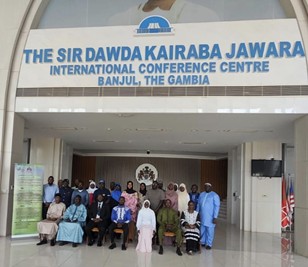
Describing the validation as a “critical milestone,” Sanyang said it provides an opportunity for stakeholders to refine recommendations and ensure they are practical and actionable.
Dr Mustapha Ceesay, Assistant Representative of FAO in The Gambia, reaffirmed the organisation’s commitment to supporting the country through the Green Climate Fund-backed initiative.
He noted that FAO will continue to assist in building national capacity for evidence-based reporting, improving forest data systems, and ensuring that safeguards, gender inclusion, and community participation remain central to REDD+ implementation.