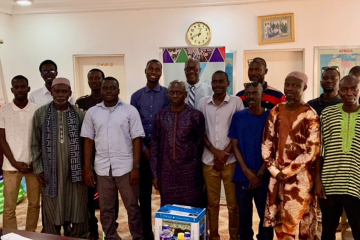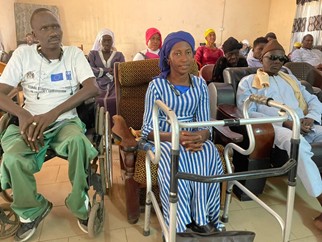
Supported by UNDP The Gambia and the European Union through the co-funded GREAT initiative, the sessions aim to close long-standing gaps in civic participation particularly among marginalised groups who remain underrepresented in local decision-making. The programme aligns with The Gambia’s decentralisation agenda, which prioritises gender equality, youth engagement, and disability inclusion.
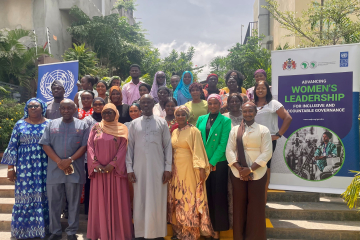
More than 160 participants including community leaders, activists, and representatives from women’s groups, youth organisations, and disability rights networks attended the launch. Discussions centred on legal frameworks such as the Local Government Act and the Persons with Disabilities Act, which guarantee equal participation in public affairs.
Speaking at the opening in Basse, GALGA Programme Manager, Amadou Jallow, said the organisation is committed to strengthening citizens’ understanding of their rights and responsibilities in democratic governance.
“This activity aims to improve the knowledge of participants in all eight Local Government Areas and encourage them to engage actively in local decision-making and planning processes,” Jallow said.
“It also seeks to promote fair representation and ensure that every voice is heard in governance, ” emphasising an integrated response to inclusion.
Jallow further noted that the initiative will help enhance advocacy for the welfare of women, youth and PWDs by identifying and addressing the systemic and institutional barriers that limit their participation. He explained that the sessions are part of Activity 3.3.1b under Outcome 3 of the GREAT Initiative 2025 work plan.
He expressed appreciation to UNDP, the European Union, and the Association of Non-Governmental Organisations (TANGO) for their support and partnership.
At the Janjanbureh Area Council, Chairman Sulayman Sawaneh welcomed the effort, describing awareness on civic rights and participation as “a step in the right direction.” He commended GALGA and its partners for prioritising grassroots empowerment.
During the sessions, facilitators highlighted constitutional rights such as freedom of expression, peaceful assembly, and access to public services. Women participants received guidance on protections against discrimination and the importance of representation in local councils. Youths were briefed on their role in shaping policies on education, employment and community development, while PWDs were sensitised on accessibility standards and anti-discrimination laws.
Experts stressed that inclusive participation in local government planning particularly budgeting, project design, implementation and monitoring leads to more equitable and community-driven development outcomes.
The sessions also featured interactive activities, including planning simulations where participants demonstrated how citizen input can influence decisions on infrastructure, health services, and local economic initiatives.
As the campaign continues across the remaining councils, GALGA and partners expressed optimism that strengthening civic awareness will enhance accountability, transparency, and inclusive growth at the grassroots level.