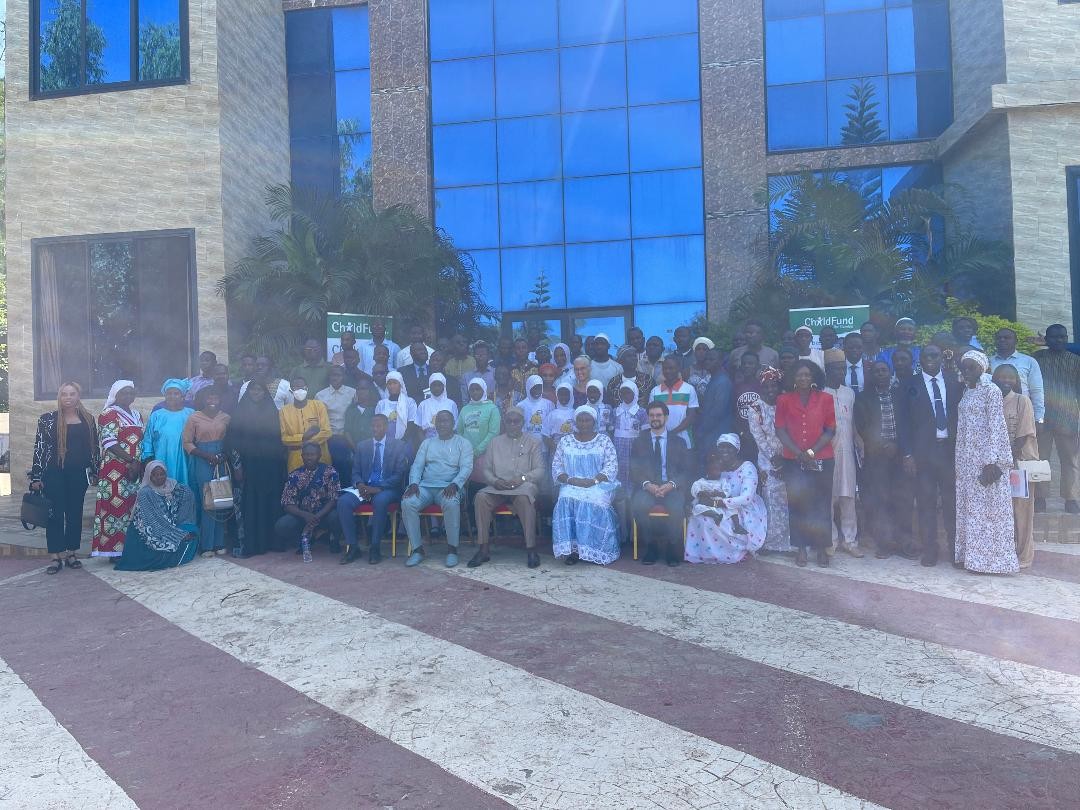
The workshop brought together policymakers, educators and development partners to assess how well Gambian pupils are being equipped for responsible citizenship. Findings from the study, which covered 450 Grade 9 teachers and more than 2,000 pupils across 90 primary schools in Regions 3 and 5, revealed a mixed picture.
In some instances, teachers were quick to embrace active learning methods, marking a noticeable shift in classroom practice. However, student learning outcomes showed only modest improvement over the nine-month period, pointing to gaps in curriculum mastery and support systems.
Launching the dissemination, Vice President Muhammed B.S. Jallow described the research as critical to shaping evidence-based education policies.
The initiative, he added, fits squarely within the Recovery-Focused National Development Plan, which prioritises human capital development and economic empowerment.
“Education today must prepare our young people not only to read and write, but also to think critically, act responsibly, and contribute meaningfully to society,” the Vice President stated.
ChildFund Country Director Musukuta Komma said the Aflatoun programme is helping both teachers and learners rethink how education is delivered. She highlighted innovative teaching approaches and community-of-practice engagements as key drivers of change, while calling for sustained investment.
“We invite government, development partners, donors and civil society to invest in teacher capacity building, monitoring and evaluation, and resources for training materials and community engagement,” she said.
Permanent Secretary at MoBSE, Louis Moses Mendy, described the integration of life skills and financial education into the national curriculum as a major step forward. He stressed the need for continued reforms focused on real-life challenges.
“Education is the foundation of progress, and sustained teacher training and curriculum support are essential,” Mendy noted.
Providing technical insight into the findings, Dr William Jabang of the University of The Gambia, explained that the results should be seen as guidance rather than failure. While teachers showed enthusiasm for active learning, he noted that stronger curriculum support is needed to boost student outcomes.
“Introducing active learning without strengthening curriculum knowledge is like teaching someone to drive without fuel,” Dr Jabang said, adding that the findings show competency-based education is achievable with the right support structures.
The Aflatoun programme, which has been supported by ChildFund in The Gambia for years, aims to raise a generation of financially literate and socially conscious young people. Stakeholders at the workshop pledged to close existing gaps through improved teacher support, policy integration and sustained partnerships, a move they say could shape a more empowered future for Gambian children.