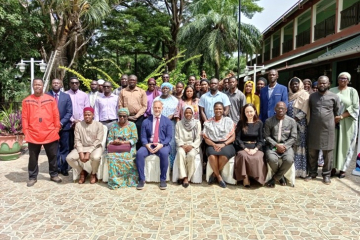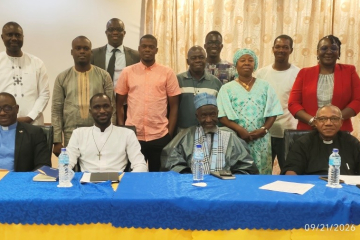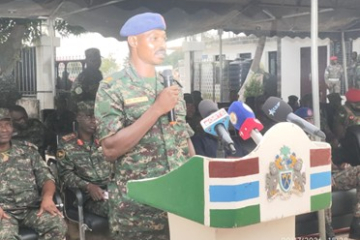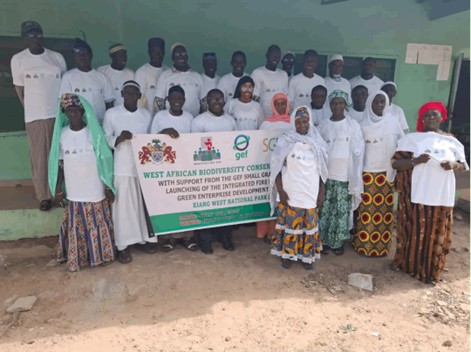
The project, titled “Strengthening Integrated Field and Forest Fire Management and Assisted Natural Regeneration in Kiang West National Park, and Promoting Green Enterprise Development in Peripheral Villages,” was officially unveiled during an inception workshop held at the park’s headquarters in Dumbutu Village.
The initiative is funded by the Global Environment Facility (GEF) Small Grants Programme through the West Africa Biodiversity Conservation Network (WABIONET), The Gambia Chapter, with a grant of US$50,000 complemented by US$37,500 in in-kind contributions from project partners.
Implemented in partnership with the Department of Parks and Wildlife Management (DPWM), the Department of Forestry and the Kiang West National Park Site Management Committees, the project seeks to address the growing threats posed by recurrent bushfires, land degradation and unsustainable exploitation of natural resources.
The launch brought together 30 participants, including government officials, conservation experts and community representatives, who discussed strategies to safeguard one of the country’s important protected areas while improving the livelihoods of communities living around the park.
Chairing the ceremony, Kiang West National Park Manager Lamin Manneh underscored the importance of coordinated action in protecting the country’s natural heritage, while Senior Wildlife Officer Noah Jammeh welcomed participants and highlighted the need for stronger community involvement in conservation efforts.
Presenting the project overview, Almami Dampha, Executive Secretary of WABIONET, said the initiative was designed to reverse environmental degradation by promoting integrated fire management and assisted natural regeneration.
He explained that recurring bushfires and unsustainable resource use continue to threaten biodiversity, wildlife habitats and ecosystem resilience within the park, making urgent intervention necessary.
The project aims to restore degraded ecosystems to improve biodiversity conservation, establish protection zones through participatory land-use planning, promote environmentally friendly enterprises such as beekeeping to generate sustainable incomes, and strengthen institutional capacity for improved natural resource governance.
Participants at the workshop reached consensus on priority intervention areas, identified sites for implementation and adopted a detailed work plan that outlines key activities and timelines.
The meeting also reinforced the central role of the Kiang West National Park Site Management Committees in coordinating activities and ensuring community ownership of the project.
As part of the project’s initial phase, field teams comprising project staff and technical partners conducted assessment visits from 9 to 13 July 2026 to identify intervention sites across the park. The findings will guide restoration activities, integrated fire management measures and the establishment of green enterprises in surrounding communities.
The initiative is expected to contribute not only to safeguarding the ecological integrity of Kiang West National Park but also to improving the resilience and livelihoods of local communities through sustainable environmental management and nature-based economic opportunities.