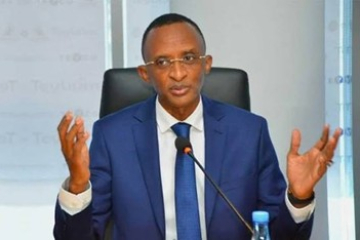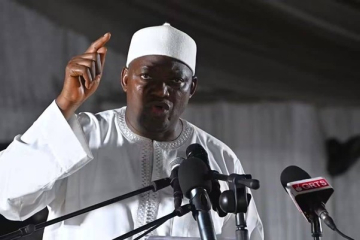
Speaking at the launch of a technical assistance programme in Banjul on Monday, Mr. Darboe said GRA officers have gained considerable theoretical knowledge through workshops, but must now bridge the gap to practice.
“There is an important difference between understanding the principles of transfer pricing and actually conducting a transfer pricing event. This mission is intended to bridge that gap,” he said.
He said the initiative will move from classroom training to hands-on casework, helping officers improve risk assessment, identify suitable cases, analyze transactions, and conduct effective transfer pricing audits.
Mr. Darboe noted that GRA’s Corporate Strategic Plan 2025–2029 places staff competence and professionalism at the center of revenue mobilization. The Authority, he added, continues to invest in staff development, with many officers pursuing advanced degrees and professional qualifications locally and abroad.
He commended the African Tax Administration Forum and the World Bank for providing technical assistance beyond conventional training. “This allows our officers to sit with experienced experts, examine actual transactions, and learn how practical difficulties can be addressed,” he said.
Highlighting challenges posed by multinational corporations and complex cross-border transactions, Mr. Darboe said developing countries like The Gambia cannot afford gaps that lead to revenue loss. Strengthening transfer pricing capacity, he stressed, is vital to protecting the nation’s tax base.
He also praised ATAF’s role in helping African countries confront illicit finance, profit-shifting, and aggressive tax avoidance through training, policy support, and knowledge sharing.
In closing, Mr. Darboe revealed that ATAF, with the World Bank, has shared a draft transfer pricing regulation with GRA. The Authority, working with the Ministry of Finance and Economic Affairs, will review the draft and provide feedback as part of its implementation programme.
Betty Ahwera, ATAF’s transfer pricing specialist, said the mission began in September last year with a seven-activity work plan. Five activities have been completed. “This mission will cover the sixth, and the last will be handled in the subsequent mission,” she said.
Ahwera said earlier sessions focused on fundamentals, while this mission introduces practical case selection using a risk assessment framework. “This is where we identify audit cases to progress for transfer pricing exercises. Ultimately, we want to see results,” she said.
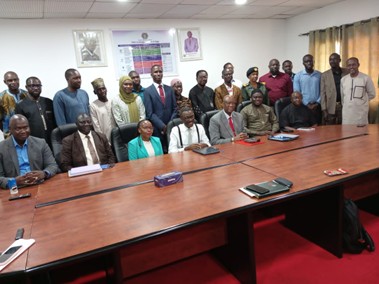
She thanked the Commissioner General and the Ministry of Finance for quickly constituting a 15–17 member team, and acknowledged Mr. Abo for hosting the mission on short notice. “This mission is very important because now we progress to actual practical cases,” she said.
Robert Luveuuma, also an ATAF transfer pricing specialist, urged the Ministry of Finance and GRA to accelerate reforms to strengthen compliance and boost revenue.
He outlined three pillars: capacity building through technical training, robust legislation to close loopholes, and transparency via international information exchange. Without access to foreign financial data, he warned, profit shifting by multinationals could undermine the tax base.
ATAF pledged continued support through weekly case reviews and hands-on auditing to help The Gambia secure more revenue from multinational corporations.