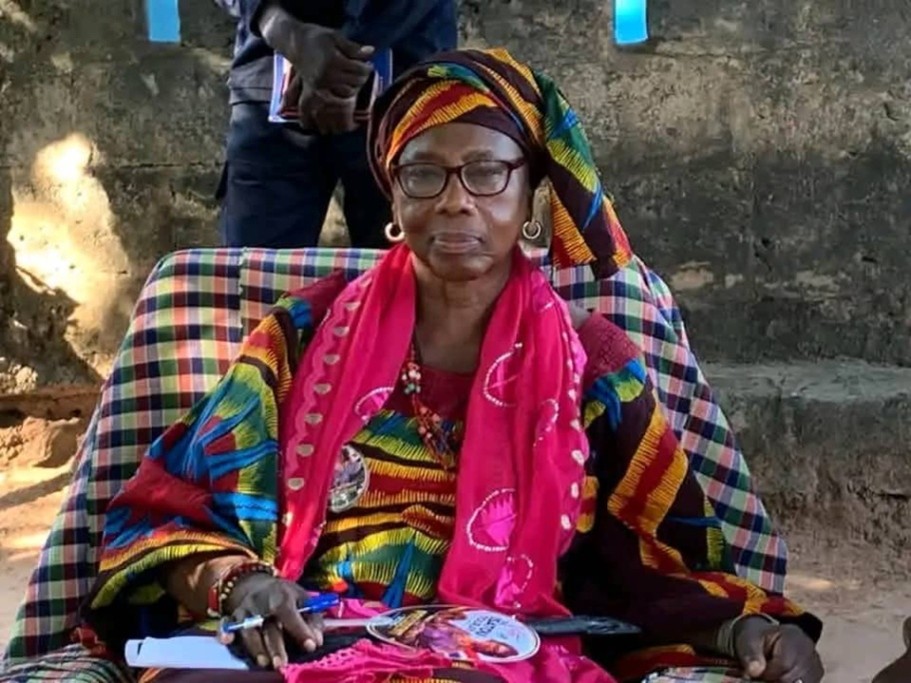
Independent presidential candidate Dr Isatou Touray has intensified her campaign ahead of the December 5 presidential election, taking her message of governance reforms, economic recovery and national development to communities across the country.
The former Vice President, who is contesting as an independent candidate, has placed constitutional reforms, youth employment, electricity supply, accountability and improvements in public services at the centre of her campaign.
Dr Touray launched her presidential bid on June 27, 2026, at the SSP Grounds in Brikama, where she presented her vision for what she described as building a Third Republic.
Addressing supporters at the launch, she said Gambians deserved leadership capable of addressing persistent socio-economic challenges, including rising living costs, unemployment, unreliable public services and declining public confidence in state institutions.
Her campaign platform outlines a number of proposed interventions across governance, education, healthcare, agriculture, energy and economic development.
On governance, Dr Touray has promised constitutional reforms aimed at strengthening democratic institutions, promoting accountability and improving transparency in public administration.
She has also proposed stronger oversight of public institutions and measures to address corruption, including enforcing asset declaration requirements for senior public officials and increasing transparency in public contracts.
On the economy, the independent candidate has pledged to introduce measures to address the rising cost of living, create employment opportunities and support businesses.
She has also proposed establishing a National Cost of Living Taskforce within the first 100 days of her administration, if elected, to review measures affecting the prices of essential commodities.
Youth unemployment and irregular migration have also featured prominently in her campaign engagements.
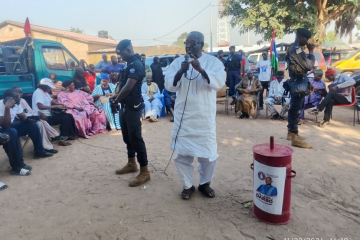
Addressing supporters at Sotokoi on November 19, Dr Touray promised to introduce a new constitution, create employment opportunities for young people and stabilise electricity supply.
She expressed concern about the difficulties confronting young Gambians, particularly graduates who, despite acquiring education and professional skills, continue to face challenges finding employment.
On energy, she has proposed investment in electricity infrastructure, renewable energy and improved operational performance in the sector, noting the importance of reliable power supply to businesses, healthcare, education and national development.
Her proposed development agenda also covers agriculture and rural communities, with commitments to increase investment in agricultural production and strengthen rural economies.
In the health sector, Dr Touray has outlined plans to improve hospitals and clinics, strengthen access to essential medicines and address shortages of healthcare workers.
She has also proposed improvements in education, including strengthening technical and vocational training, improving school infrastructure and investing in teacher development.
The participation of Gambians in the diaspora is another component of her proposed programme, with commitments to strengthen diaspora engagement, encourage investment and expand their participation in national development.