The Gambia has secured a significant legal milestone after the International Court of Justice (ICJ) delivered its judgment in the landmark genocide case against Myanmar over alleged violations of the 1948 Genocide Convention concerning the Rohingya people.
The judgment was delivered on Thursday, 19 November 2026, during a public sitting at the Peace Palace in The Hague, Netherlands, presided over by the President of the Court, Judge Iwasawa Yuji.
The case was instituted by The Gambia on 11 November 2019, when it filed an application before the ICJ seeking to hold Myanmar accountable for alleged violations of the Convention on the Prevention and Punishment of the Crime of Genocide against members of the Rohingya community.
The proceedings also attracted interventions from 11 other countries, highlighting the wider international significance of the case and the global concern over the treatment of the Rohingya people.
By taking the matter to the world’s principal judicial organ, The Gambia played a leading role in pursuing accountability through international law and bringing allegations of serious human rights violations to international attention.
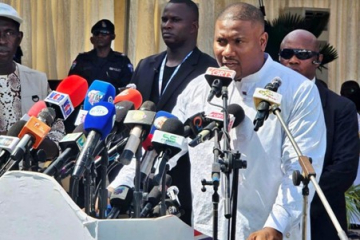
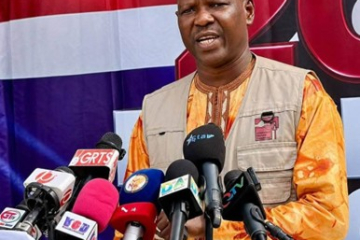
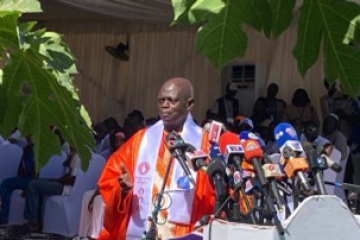
In a statement following the judgment, the Ministry of Justice described the development as a historic milestone in the country’s pursuit of international justice.
The ministry reaffirmed The Gambia’s commitment to the rule of law, human rights protection and accountability for serious violations of international obligations.
The case has placed The Gambia at the centre of an important international legal process, demonstrating how a relatively small country can use international institutions to pursue justice on issues of global concern.
The judgment is also expected to remain an important reference point in international efforts to uphold the Genocide Convention and protect vulnerable communities from genocide.