“The fish smoking before was powerful, but it is not like that now,” said Lamin Ceesay, who has spent more than 30 years in the trade. “Before, fish was plenty and we worked every day. Now demand is more than the fish itself, and sometimes you can stay two to three months without working.”
According to the smokers, the cost of fish has also increased, further squeezing profits. A basket that previously sold for about D1,500 now goes for between D1,600 and D1,800, and in some cases even higher. For small-scale processors, this has made it difficult to maintain their business.
“We can only afford small quantities now,” Ceesay explained. “After smoking and selling, what you get is very little. It is becoming difficult to feed our families.”
Veteran smoker Omar Touray, who said he followed his father into the trade over 40 years ago, described the current situation as a major shift from the past.
“Before, we exported smoked fish to Sierra Leone, Nigeria and even Europe,” he said. “Now even selling locally is not easy. Wood is expensive, and sometimes it is hard to get because it comes from Foni. The business is no longer profitable like before.”
Smokers and fishermen point to increased fishing pressure, including the presence of foreign vessels, as a key factor behind the declining catches.
They claim that the growing number of boats in Gambian waters is driving fish away and intensifying competition at landing sites.
“There are too many vessels, and most of them are not Gambian,” Ceesay alleged. “When fish comes, many buyers rush for it, and some of it is taken to Senegal or upcountry.”
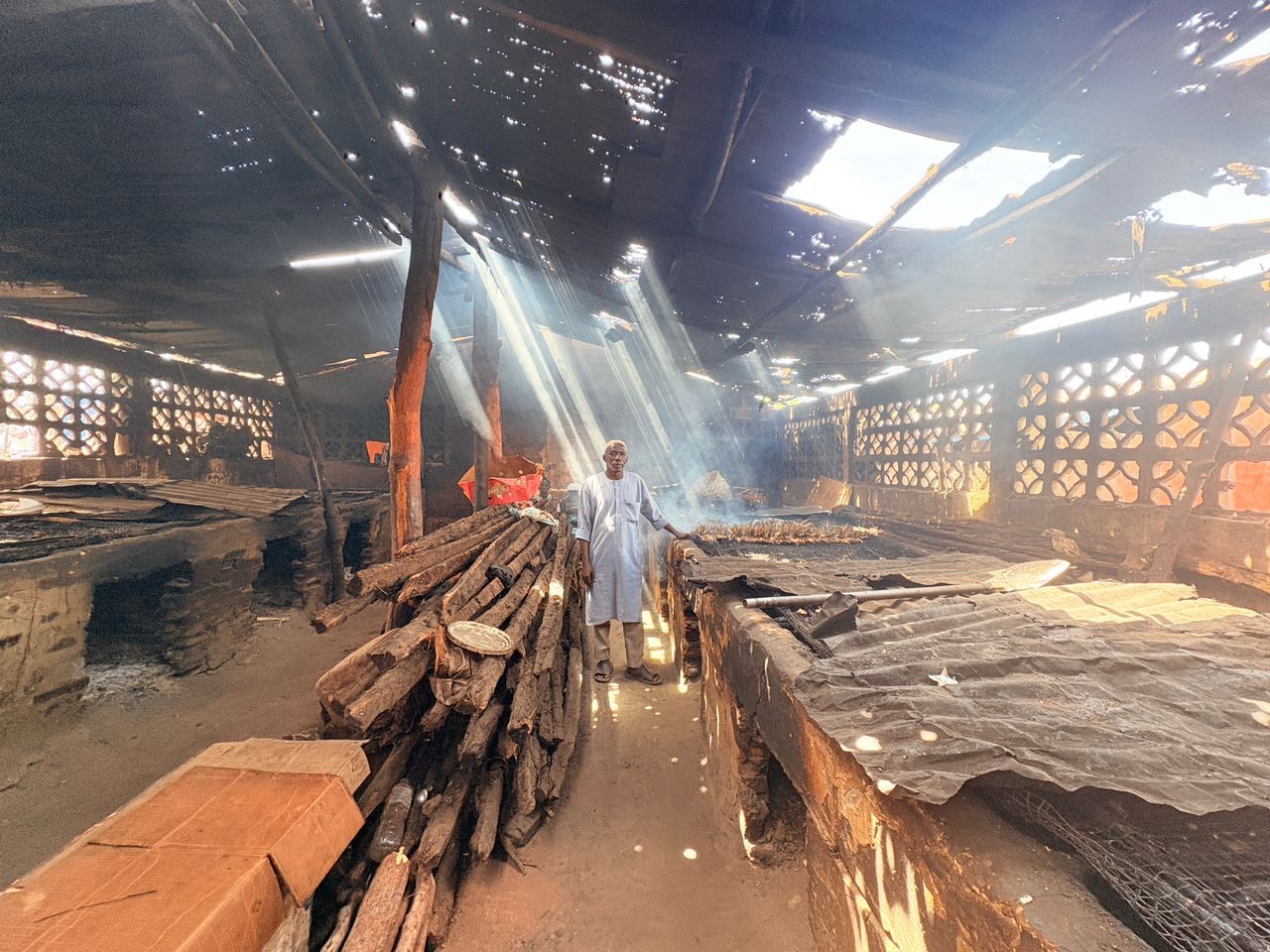
For women like Mariama Saidy, the challenges go beyond supply. She highlighted poor working conditions at the smoking site, including excessive smoke, lack of space, and no electricity at night.
“When all of us are working, the smoke is too much and you cannot even see clearly,” she said. “At night it becomes very dark, and we don’t have power here. These are serious problems for us.”
Despite some support from the Ministry of Fisheries, including protective gear and training, the smokers say more intervention is needed, particularly in improving infrastructure and access to finance.
As the difficulties persist, many people fear that without urgent action, fish smoking in Tanji could gradually decline, putting livelihoods at risk and weakening a key part of the local economy.