Speaking in an interview at his office in Banjul, Hassoum Ceesay, Director General of the National Centre for Arts and Culture (NCAC), said the initiative is intended to ensure that the century’s-old practice is protected for future generations.
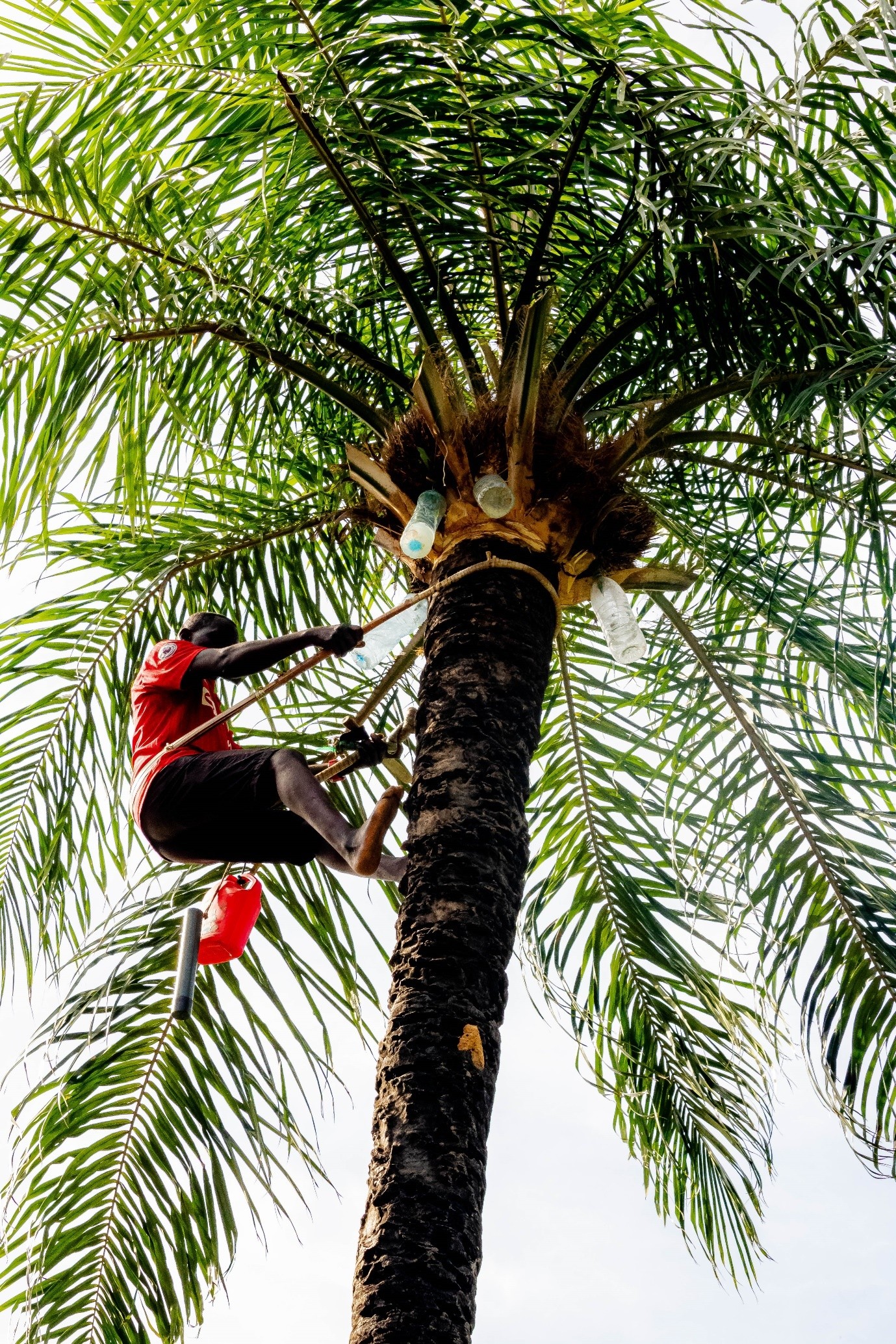
According to him, palm wine tapping is more than an economic activity, as it embodies spiritual, cultural and technical values. He explained that the practice involves a range of specialised skills, including climbing palm trees, tapping techniques, and crafting tools such as tapping belts and funnels used in the collection process.
“It is an ancestral occupation that is gradually dying out, and we believe it deserves to be safeguarded,” he said.
Ceesay noted that palm wine and its production processes hold significant cultural importance in many Gambian communities. The product is widely used in traditional ceremonies, including libations and rites of passage, reflecting its deep-rooted role in social and religious life.
To support the nomination, the NCAC, with assistance from UNESCO, conducted extensive consultations with communities across the country over the past several months. These included public forums in areas such as Kabbekel, Kartong, Gunjur, Foni and other regions known for palm wine production.
He said the consultations enabled practitioners and community members to share their experiences, provide testimonies and suggest measures for safeguarding the practice.
“We listened to the communities, documented their knowledge and recorded the techniques involved, as well as their recommendations on how best to preserve the tradition,” he explained.
The Director General added that the preparation of the nomination file took approximately nine months and involved collaboration with various stakeholders, including palm wine tappers, cultural practitioners, forestry experts and researchers.
Historical research also highlighted the economic significance of palm wine in The Gambia, particularly during the colonial era. DG Ceesay revealed that in the 1930s and 1940s, especially during the Second World War period, thousands of litres of palm wine were sold daily in Banjul, making it a major source of revenue at the time.
Beyond its cultural and historical relevance, he noted that palm wine tapping also has the potential to contribute to sustainable development, including livelihoods, environmental conservation and community well-being.
However, he expressed optimism that the nomination will receive favourable consideration and help raise awareness about the importance of safeguarding indigenous knowledge and traditional practices in The Gambia.