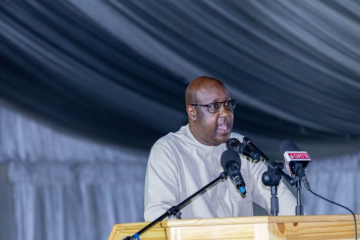
“Managing a country is not an easy task,” he said, noting that from the outset, his approach was guided by principle rather than convenience. “What is right will always be right, and what is good for the country can never be bad for the country.”
However, he said pushing reforms came at a cost. Resistance according to him came from within the civil service, political colleagues and what he described as powerful vested interests operating behind the scenes.
“These are people who go behind your back, go to the top and influence decisions which will go against your development policies,” he said.
At the center of the dispute was the future of GAMTEL and other state-owned enterprises. Sanneh, disclosed that donors consistently pushed for outright privatisation, a move he strongly opposed.
“When we were negotiating, they insisted on privatization. I said no.” he recalled.
Instead, he argued that Gamtel’s problems were the result of poor management decisions, including diversion of funds and lack of investment, not a failure of the institution itself. He maintained that with the right reforms, the company could be revived and turned into a profitable national asset.
Sanneh said he supported a more inclusive approach if privatisation were to happen, where Gambians themselves would own shares rather than allowing a single investor to take full control.
“I didn’t like the idea of taking assets built with public funds and handing them over to one big capitalist,” he said.
Despite his stance, he admitted that a coalition of political and economic forces eventually prevailed. “At the end of the day, some of these interest groups proved they are the force of the day and they won,” he said.
Reflecting on his exit from government, Sanneh said he remains at peace with his decisions. “I thought I was serving my country wholeheartedly, I didn’t mind taking the boot, but I know history will judge me.”