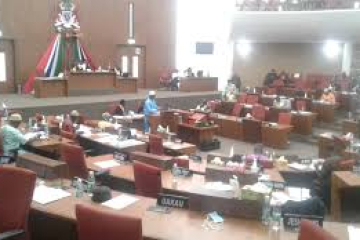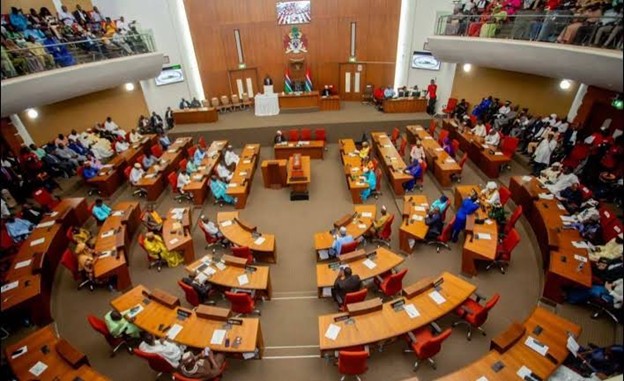
The treaty was presented to the Assembly on Monday by the Minister of Justice and Attorney General, Dawda A. Jallow, before lawmakers adopted it today.
The Marrakesh Treaty to Facilitate Access to Published Works for Persons Who Are Blind, Visually Impaired or Otherwise Print Disabled was adopted in 2013 under the World Intellectual Property Organization (WIPO).
Its main purpose is to remove some copyright barriers that can make it difficult for people with print disabilities to access books and other published materials.
Under the treaty, countries are required to introduce limitations and exceptions to copyright rules to allow accessible copies of published works to be produced and shared for eligible persons.
These copies can include materials in formats such as Braille, audio and other accessible forms. The treaty also allows certain accessible-format copies to be exchanged across borders by authorised organisations.
Presenting the treaty, Minister Jallow explained its importance in improving access to information and educational materials for persons with visual and other print-related disabilities.
The treaty covers people who are blind or visually impaired, as well as those whose physical disabilities prevent them from holding or manipulating a book or reading printed material effectively.
It also provides a role for authorised entities, including certain non-profit and government organisations, which can produce and distribute accessible-format copies to eligible beneficiaries.
The organisations are expected to ensure that the materials are only used by beneficiary persons and to take measures to prevent unauthorised use.
The adoption of the treaty brings The Gambia in line with an international framework aimed at promoting equal access to published works while still protecting the rights of copyright holders.
The Marrakesh Treaty entered into force internationally on September 30, 2016, after receiving the required number of ratifications and accessions.
With its adoption by the National Assembly, The Gambia is expected to strengthen access to books, educational materials and other published works for people who cannot effectively read standard printed material.