The candidates are seeking to replace Antonio Guterres of Portugal when he steps down at the end of this year after two five-year terms.
Guterres' successor faces the task of revitalising an organisation in crisis and declining stature, and under increasing pressure to reform a bloated, costly bureaucracy and cut duplication across its many agencies. In the straw polls, of which multiple rounds are expected, Security Council members in secret ballots are asked whether they "encourage," "discourage" or have "no opinion" on each candidate.
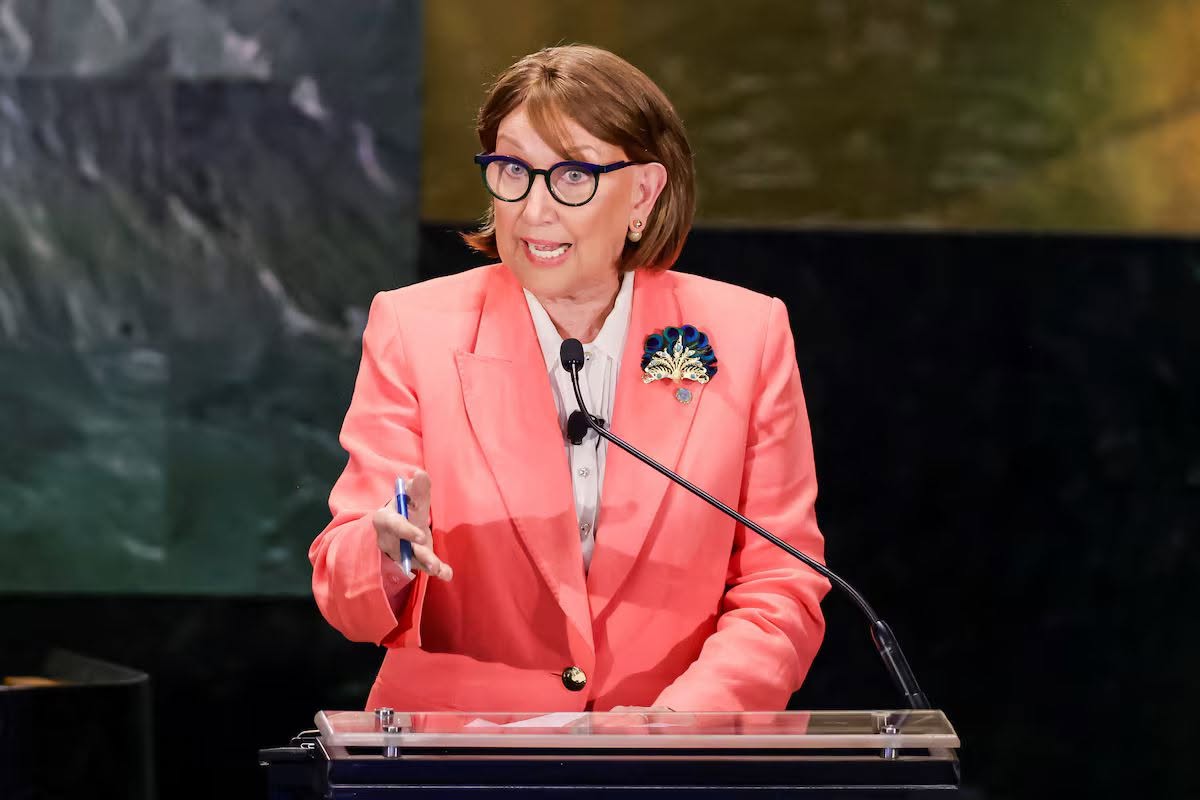
Two sources told Reuters Grynspan also received one "discourage" vote.
In the early rounds of straw polls, identical ballots are cast, allowing diplomats to see overall levels of support and opposition without revealing whether negative votes came from one of the Council's five veto-wielding permanent members - China, France, Russia, the United Kingdom and the United States - whose support is vital.
Historical precedent suggests multiple rounds of polling could continue through the summer and conclude in late September or early October. The process could take longer if no consensus candidate emerges.
The other candidates are former Chilean President Michelle Bachelet, former Ecuadorean Foreign Minister Maria Fernanda Espinosa, former Senegalese President Macky Sall, and Ugandan diplomat Olara Otunnu, who entered the race last week.
Other candidates can still join the contest.
At a later stage in the process, the five permanent members use a different color from elected members that reveals whether a candidate has received a "discourage" vote from one of them.
The Security Council ultimately adopts a resolution, traditionally behind closed doors, recommending an appointment to the 193-member U.N. General Assembly. This needs nine votes in favor and no vetoes. Subsequent General Assembly approval has long been seen as a rubber stamp.
Source: Reuters - July 30, 2026