For the first time since Independence, residents of Kiang Kabada are witnessing a long-overdue connection to the rest of The Gambia following the completion of a major road network that has transformed access to transport, healthcare, education and commerce.
Once regarded as one of the country's most isolated areas, Kabada is now linked to the national highway, ending decades of hardship for thousands who often spent hours, sometimes an entire day, trying to reach the nearest main road.
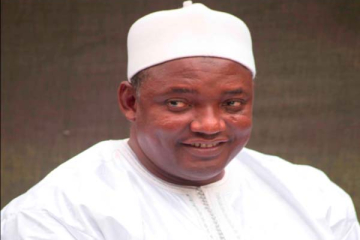
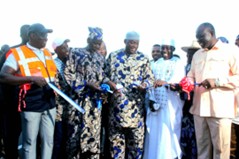
President Adama Barrow on Saturday inaugurated the Kabada Roads EPC Lot 3 Project, a landmark development connecting dozens of previously underserved communities to the national road network.
Spanning more than 100 kilometres and linking 29 communities, the project connects Kabada directly to the Trans-Gambia Highway and the wider network, significantly reducing travel time and improving access to essential services.
Officials said the road is built to international standards and includes culverts, road furniture, seven intersections with the South Bank Road, a major junction with the Trans-Gambia Highway and improved access towards the southern border with Senegal. Communities along the route have also benefitted from solar-powered streetlights.
What was once an exhausting day-long journey can now be completed in hours, residents said, bringing them closer to economic opportunities and public services.
Traders, transport operators and vendors who previously avoided the area because of poor road conditions will now travel into communities that were once difficult to access. Goods that were rarely available in the interior can now be transported more easily, improving livelihoods and expanding choices.
Coupled with increasing access to electricity, residents say the development has brought renewed belonging and hope, ending years of neglect.
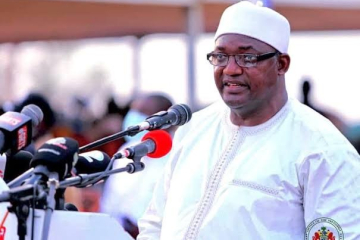
Speaking at Sibeto in Kiang Kabada, President Barrow said the new network ends years of transport challenges, particularly during the rainy season, and strengthens connectivity between the area, the Trans-Gambia Corridor and the wider national network.
He said the roads would bring farmers closer to markets, reduce travel time for families and traders, improve access to schools and health facilities, and create new opportunities for businesses.
The project demonstrates his administration's commitment to delivering development, he said, noting it was completed ahead of schedule.
Describing roads as the "arteries of a nation", Barrow said the infrastructure firmly places Kabada on the national map.
The project was financed entirely by The Government of The Gambia at a cost of GMD1.9 billion. Government-funded projects, he said, enable the country to take ownership of its development priorities.
While celebrating, the President urged residents to take ownership of the infrastructure by protecting road reserves, maintaining drainage systems and avoiding activities that could damage the roads. He also urged road users to observe traffic regulations and prioritise safety.
He reaffirmed government's commitment to expanding infrastructure, stating that continued investment in roads remains essential for supporting agriculture, trade, investment and access to services.
Fabubu Bah, Alkalo of Sibeto, described the inauguration as an emotional and proud moment, saying it has finally ended decades of isolation.
Hulay Jallow, Lady Councillor, said generations of Kabada residents had lived and died hoping to witness such transformation.
Chief Lang Sanyang said residents never imagined they would witness such a modern network in their lifetime, hailing it as a landmark achievement that would forever change the district's fortunes.
Sulayman Sumareh Janneh, Managing Director of the National Roads Authority (NRA), assured residents the project was constructed to international standards and designed to serve communities for many years, with strict supervision throughout implementation.