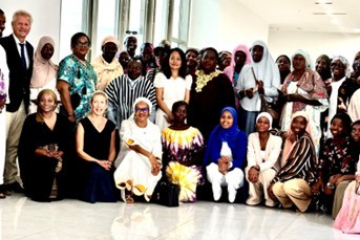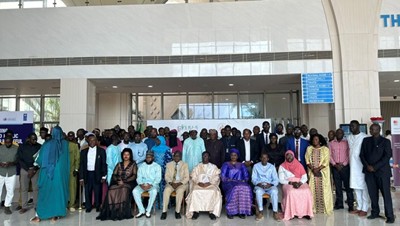
Ministry of Higher Education, Research, Science and Technology (MoHERST), under their initiative of students revolving loan scheme, on Tuesday hold a validation workshop for SRLS strategic plan (2026-2030), and loan policy initiative. The validation workshop marks an important milestone in the institutional development of SRLS as the scheme convenes key national stakeholders to review and validate two foundational documents that will guide its strategic direction, operational framework, and long-term sustainability.
SRLS Executive Director, Samba Bah, in his statement has reaffirmed their commitment to expanding access to higher and tertiary education through sustainable financing mechanisms. “Guided by its vision of ensuring that no student is denied higher education due to financial barriers, the scheme aims to promote access, equity and human capital development. Within its first 180 days, SRLS has established a functioning secretariat, recruited key staff, operationalised governance, financial and procurement systems, and conducted nationwide stakeholder consultations to inform its Strategic Plan and Loan Policy,” he said.
Bah reiterated that, the scheme has also developed a comprehensive loan policy covering eligibility, loan coverage, disbursement, repayment and recovery. With an approved 2026 budget of D56.5 million and a government commitment of D40 million, management is pursuing phased implementation and resource mobilisation to address the remaining funding gap. SRLS officials described the institution’s rapid progress from concept to reality as a significant milestone and said the next phase will focus on delivering meaningful impact for students across The Gambia.
Minister of Higher Education, Research, Science and Technology, Pierre Gomez, in his keynote statement has reaffirmed the government’s commitment to expanding access to tertiary and higher education through the Students Revolving Loan Scheme, describing it as a major step towards ensuring that no Gambian student is denied education because of financial constraints.
Gomez said that the initiative was established under the leadership of President Adama Barrow to “provide loans for tuition and other educational expenses to students enrolled in accredited tertiary and higher education institutions.” He also noted that while government scholarships have supported many deserving students over the years, they have been insufficient to meet growing demand, leaving many students from disadvantaged backgrounds unable to continue their studies.
Emphasising that the scheme is designed as a sustainable revolving fund, he urged beneficiaries to repay their loans to enable future generations to benefit from the programme. The minister also called on stakeholders to rigorously review the policy documents to ensure strong accountability mechanisms and long-term sustainability, while commending the scheme’s board, management and staff for developing the foundational documents despite the absence of a national model to guide their work.
Board chair, Ernest Abuee, in his welcoming remarks has called on stakeholders to support the validation of the Scheme’s Loan Policy and Strategic Plan 2026–2030, describing the exercise as a critical step towards expanding access to higher education in The Gambia.
He noted that since the appointment of the Executive Director and Board in 2025, the scheme has recruited core staff and developed key policy documents to guide its operations. Mentioning that the Strategic Plan outlines the Scheme’s vision, goals and accountability measures, while the Loan Policy establishes eligibility criteria, disburse procedures and repayment mechanisms. He further urged students, learning institutions, financial institutions, employers and other stakeholders to work together to ensure the successful implementation of the scheme.