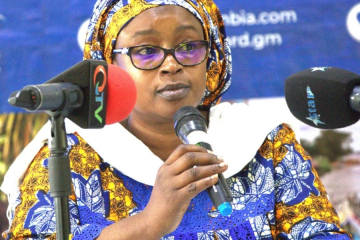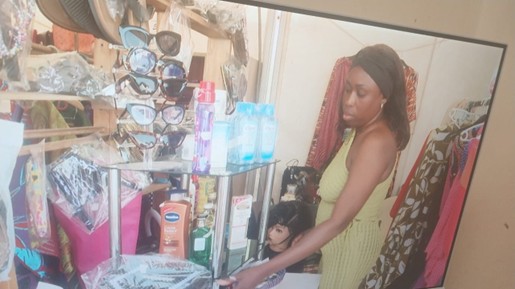
For former inmate Jatou Saidykhan, the training became a lifeline during one of the darkest periods of her life.
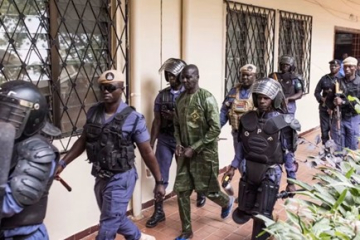
After spending nearly seven months in prison, she recalls arriving at Mile 2 feeling hopeless and abandoned. Everything changed when she enrolled in a tailoring programme.
“When I first entered prison, I felt hopeless and abandoned. Learning sewing gave me something to focus on and reminded me that my life was not over,” she said.
Today, Jatou runs a small business, using the skills she acquired behind bars to support herself and rebuild her future. Yet freedom, she says, comes with its own challenges.
“People outside often see ex-prisoners as criminals forever, even after they have changed. That stigma makes life difficult, but these skills gave me the confidence to start again.”
Her story reflects the experiences of many former inmates who face rejection and discrimination long after serving their sentences.
Inside the prison, inmates say the training programmes offer more than vocational skills. They provide hope.
One female inmate, who asked not to be identified, said prison life can become mentally exhausting without meaningful activities.
“If you stay doing nothing in prison, your mind becomes heavy. But learning a skill keeps me hopeful about my future,” she said.
She hopes the skills she is learning will help her earn a living after release and prevent her from returning to prison.
“I want to leave here with something meaningful so I can support myself and not return to prison.”
According to Deputy Commissioner Ebrima Ceesay, the programmes form part of broader efforts to transform Mile 2 from a correctional facility into a centre for rehabilitation and personal development.
“Our focus is to rehabilitate inmates and prepare them to become productive citizens after release,” he said.
The initiative reflects a growing recognition that successful reintegration begins long before inmates leave prison.
However, experts say rehabilitation efforts inside prison must be matched by acceptance outside prison walls.
Counsellor and social worker Aisha Jallow believes societal stigma remains one of the biggest obstacles facing former inmates.
“Many former inmates struggle to rebuild their lives because society continues to judge them based on their past. Supporting rehabilitation instead of rejection gives them a better chance to reintegrate successfully,” she said.
As inmates learn new skills and former prisoners rebuild their lives, Mile 2’s rehabilitation programmes are offering something often missing from conversations about incarceration: hope.