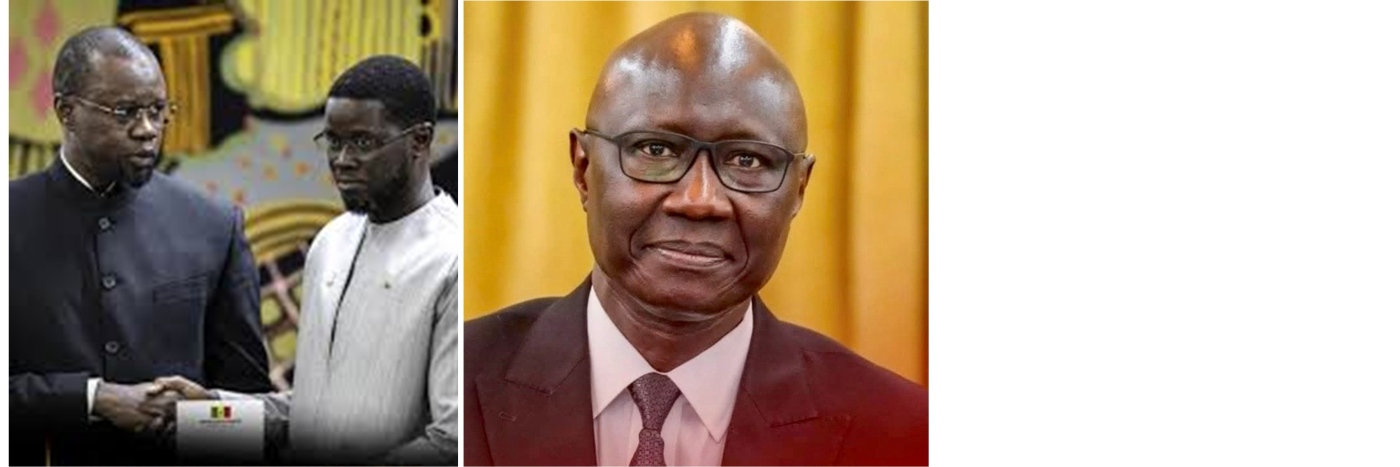
Diop, a retired Air Force General and current Armed Forces Minister, is touted by Dakar as “a figure of exceptional caliber” with deep experience in peace, security, and regional integration. His résumé includes serving as Chief of the General Staff, Military Adviser to the UN Secretary-General for Peace Operations, and founder of the African Institute for the Security Sector. Senegal argues his “strategic vision and Pan-African commitment” are vital amid “unprecedented security, political, and economic challenges” in West Africa.
The Gambia has not yet indicated whether it will back the bid. State House in Banjul has made no public comment.
Meanwhile, Faye’s domestic alliance with Ousmane Sonko has unraveled. Sonko, ousted as prime minister on May 22, announced Monday that his Pastef party “will not participate in the next government and will not be represented by any ministers,” citing “points of disagreement” with Faye.
Hours later, new Prime Minister Ahmadou Al Aminou Lo named a 30-member cabinet that still included at least three Pastef members, contradicting Sonko’s statement. Cheikh Diba retained the finance portfolio, now expanded to include the economy, as Senegal negotiates with the IMF to restart a frozen $1.8 billion program.
The IMF suspended lending in 2024 after discovering misreported debt that pushed Senegal’s debt-to-GDP to 132%. Talks are set to resume the week of June 8, with Dakar aiming for an agreement by June 30.
Sonko, reinstated as MP and elected parliament speaker last week with 132 of 165 votes, has signaled strong oversight of the executive. A vocal IMF critic, he has dismissed debt restructuring. Analysts warn his new role could constrain Faye’s ability to meet IMF reform demands.
As Faye lobbies for regional influence with Diop’s ECOWAS bid, he must also manage a fragmented home front and a debt crisis that threatens Senegal’s economy.