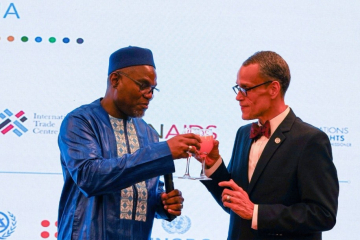
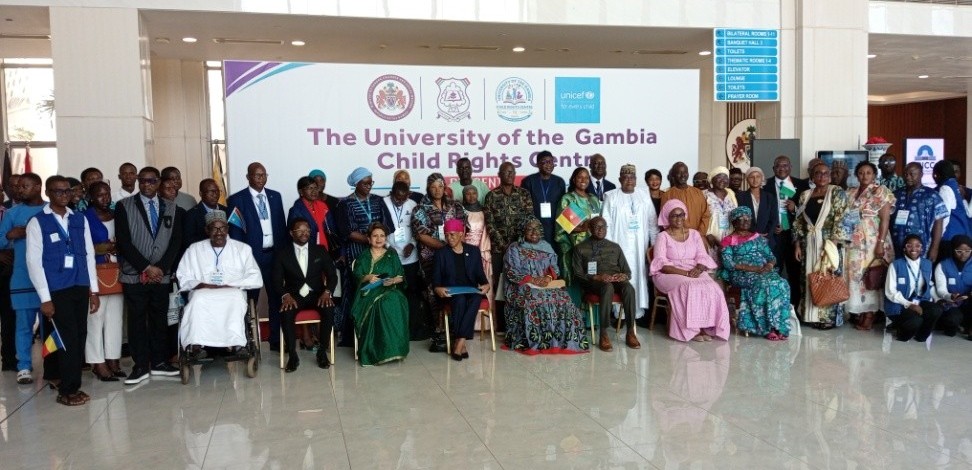
Government officials, university leaders, UN representatives and child rights advocates have called for stronger partnerships, research and policy reforms to advance children's rights across Africa at the Second Meeting of the African Network of Universities for Child Rights in The Gambia.
Held under the theme “The Role of African Universities in Advancing Child Rights Research, Education, Innovation, Policy and Practice for Sustainable Impact,” the meeting aims to validate the network's governance framework, expand membership and strengthen collaboration among universities.
Opening the meeting, University of The Gambia Vice Chancellor Professor Herbert Robinson described it as a historic milestone. He highlighted the recent establishment of the Child Rights Centre at the university, launched with UNICEF support, as the first university-based child rights institution in the country.
“Universities must play a central role not only in teaching and research but also in shaping national discourse, influencing policy and generating evidence needed to improve the lives of children,” he said.
While acknowledging progress, Robinson noted challenges remain, particularly for children in remote and vulnerable communities. He urged greater collaboration among universities, governments and development partners.
Representing the UN system, FAO Country Representative Moshibudi Rampedi reaffirmed the UN's commitment to child rights and emphasised the UN Convention on the Rights of the Child and the African Charter on the Rights and Welfare of the Child.
She said universities have a unique responsibility to produce locally relevant research and promote human rights values.
“With less than four years remaining to achieve the 2030 Sustainable Development Goals, evidence-based policymaking is increasingly urgent,” she said. “Lasting progress must be locally generated, owned and sustained.”
She pledged continued support for academic partnerships, legal reforms and initiatives that ensure children participate in decisions affecting their lives.
Fatou Janneh, representing the Ministry of Higher Education, Research, Science and Technology, highlighted government initiatives including support for student mothers in higher education, the National TVET Policy 2021-2030, and the Gender and Inclusion Policy 2025-2029 to expand access for girls, boys and learners with disabilities.
She said universities must go beyond producing graduates by generating evidence for policy, training professionals who work with children, and creating platforms for children to contribute to decisions.
Delegates will exchange best practices, discuss emerging challenges and develop strategies to strengthen child rights education, research and advocacy across Africa.