The report examines how the Gambia Tourism Board (GTBoard) planned and diversified tourism products. GTBoard is mandated to promote Gambia’s cultural heritage, historic sites, and natural resources. It had committed to rehabilitating 12 cultural sites, up from 6, and created a Tourism Development Fund to support the work.
But the reality on the ground tells a different story.
The National Audit Office team physically verified 10 heritage and cultural sites. Nine out of 10, or 90%, were found to be in “poor or inadequate condition” with widespread structural damage.
The Kankurang Museum and Musa Molloh Tomb had cracked walls and broken doors. The Kunta Kinteh Museum had poor toilet facilities and cracked walls.
Visitor facilities are also lacking. Wassu Stone Circle has only two toilets. Kunta Kinteh Island and the Mungo Park Memorial have no sanitation services at all.
Access is another problem. “Access was difficult at Kunta Kinteh Island, Mungo Park Memorial, and Musa Molloh Tomb due to poor docking and road conditions,” the report states.
Signage and interpretive information were “largely absent” at the Museum, Kunta Kinteh Island, Mungo Park Memorial, Kerewan Samba Sireh, and San Domingo. That leaves visitors relying only on oral narration.
The audit warns The Gambia is “gradually losing its natural and historical value.” It cited the death of historian Takertiti on April 11, 2024, noting “most of his narrations have gone with him since such histories were not documented.”
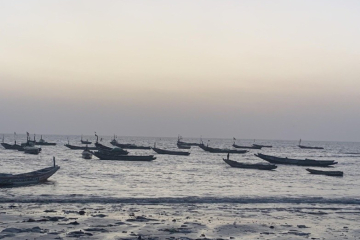
It also flagged Kunta Kinteh Island, a UNESCO World Heritage Site, where “most of the island has been submerged by the river.”
Weak oversight, no coordination
GTBoard failed to effectively monitor sites managed by the National Centre for Arts and Culture (NCAC) between 2018 and 2024.
Of the 10 sites visited, 7 received regular GTBoard visits. But “there has been no feedback report from the GTBoard.” Quarterly reports sent to GTBoard Head Office were not shared with NCAC. GTBoard did not monitor 30% of sites at all, the report stated.
“NCAC said headquarters staff conduct annual visits, but none of those reports was presented during the audit,” auditors wrote.
There is also no formal framework. “No formal framework or memorandum of understanding outlining joint responsibilities” exists between GTBoard and NCAC, leading to weak coordination.
Revenue leaking
The audit found serious gaps in revenue management.
At Kunta Kinteh and Baboon Islands, payments went only to private boat operators, not to government. At Kankurang Museum and Kerr Batch Stone Circle, fees were sent via personal mobile money numbers “without cashbooks or proof that revenue reaches the NCAC.”
Wassu Stone Circle deposits fees into a bank account but has no cashbook to record receipts. Sites including Mungo Park Memorial, San Domingo, and Musa Molloh Tomb had no proper revenue systems. Even at Fort Bullen, where cashbooks existed, recordkeeping was poor.
The leakage is costing the country. Interviews with hotels confirmed The Gambia is “beginning to lose tourist revenue” as many tourists use the country as a transit point and go to Fathala in Senegal for nature experiences.
Site data also showed a decrease in visitation at several attractions. First-time visitors “are not motivated to return after visiting these sites.”
The Auditor General recommended: a formal framework between GTBoard and NCAC, routine maintenance, stronger revenue mechanisms, information centres at sites, and allocating part of the $10 Tourism Development Levy to heritage sites.
GTBoard agreed sites are not meeting standards and acknowledged “gaps in monitoring, maintenance financing, inter-agency coordination, and documentation.” It noted NCAC has statutory responsibility for day-to-day management while GTBoard’s role is coordination and promotion.
NCAC said rehabilitation at Mungo Park Memorial is ongoing and will include toilets. For Kunta Kinteh Island, it cited UNESCO conservation guidelines and waste disposal challenges, adding visitors are encouraged to use facilities at the Alberda Information Centre.
NCAC also said discussions with UNESCO and the World Bank are underway to provide toilets without harming heritage values. On Kankurang Museum, it said it has sought EU funding to rebuild the centre.