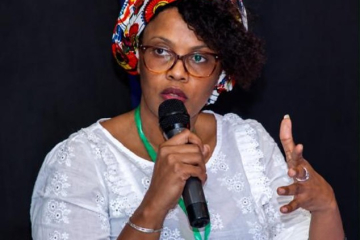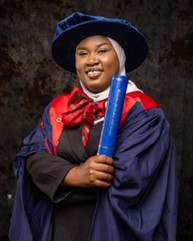
For Dr Fatoumatta Jarjusey, medicine was never just a profession it was a calling rooted in service, compassion, and a determination to improve the lives of women and children across The Gambia.
Today, as a Consultant Obstetrician and Gynaecologist and Fellow of the West African College of Surgeons, Dr Jarjusey stands among a growing number of locally trained specialists committed to transforming maternal and reproductive healthcare in the country. But behind the achievement lies a story of sacrifice, resilience, and an unwavering passion for saving lives.
In an exclusive interview with The Point, Dr Jarjusey reflected on her journey into medicine, the challenges she overcame, and her vision for a healthcare system that prioritizes women’s health, dignity, and survival.
“I was motivated to pursue medicine by a desire to serve others and by the impact healthcare professionals have on communities,” she explained. “My interest in women’s health grew during medical school, especially through experiences in Obstetrics and Gynaecology, which offered both intellectual and emotional rewards.”
Interestingly, she initially dreamed of becoming a pharmacist after being inspired by one of her uncles. However, with no pharmacy programme available at the University of The Gambia at the time, she opted for medicine a decision that would ultimately shape her life’s mission.
Dr Jarjusey described Obstetrics and Gynaecology residency as one of the most physically and emotionally demanding periods of her life, particularly because the responsibility often involved caring for both mother and child simultaneously.
“I struggled to balance the academic intensity with the emotional and physical demands of clinical work,” she recalled. “There were moments of self-doubt and fatigue, especially after difficult cases.”
Working in environments constrained by limited resources also tested her adaptability and clinical judgment. Yet she persevered, drawing strength from mentors, colleagues, family, and a deep sense of purpose.
“Discipline, perseverance, and focusing on my core motivation to serve women helped me through these challenges,” she said.
Today, Dr Jarjusey is deeply concerned about what she describes as some of the most pressing health issues affecting Gambian women maternal mortality, hypertensive disorders during pregnancy, cervical cancer, adolescent pregnancy, and limited access to quality reproductive healthcare.
She also highlighted the long-term consequences of harmful traditional practices such as female genital mutilation (FGM), stressing that these issues continue to affect women’s physical and mental wellbeing.
According to her, addressing these challenges requires more than isolated interventions. Instead, she advocates for a comprehensive and coordinated national response.
“We need stronger primary healthcare systems and antenatal services to detect complications early,” she said. “Improving emergency obstetric and neonatal care, strengthening referral systems, and investing in healthcare infrastructure are all essential.”
She further emphasized the need to train and retain skilled healthcare workers while expanding access to family planning, cervical cancer screening, and reproductive healthcare services, especially in rural communities.
Dr Jarjusey believes healthcare must go beyond treating illness and instead focus on prevention, education, and community empowerment.
Her public health training, she explained, transformed her perspective from simply caring for individual patients to understanding the broader social and cultural factors that shape health outcomes.
“It made me pay greater attention to barriers like poverty, gender inequality, and low health literacy,” she noted. “Health education is one of the most powerful tools we have because it empowers women to make informed decisions and seek care early.”
She stressed that many women still face stigma and misinformation surrounding reproductive health, mental health, infertility, contraception, and cervical cancer screening.
“If I could change one thing, it would be reducing the silence and stigma around women’s reproductive and mental health,” she stated. “Women should feel safe discussing these issues and seeking support without fear or shame.”
Mental health during pregnancy and after childbirth, she warned, remains one of the most overlooked areas of maternal healthcare in The Gambia.
“Conditions such as anxiety and postpartum depression can affect both mother and baby if left untreated,” she explained. “Poor maternal mental health can impact bonding, breastfeeding, and child development.”
She called for mental health screening and support to be integrated into routine antenatal and postnatal care while also urging communities to challenge the stigma surrounding mental health conditions.
Beyond the healthcare system itself, Dr Jarjusey believes culture and family structures continue to influence women’s access to healthcare.
While traditions can provide support networks, she said they can also delay timely medical care, particularly when women require permission or financial support before seeking treatment.
“Harmful practices like early marriage and FGM, as well as stigma around reproductive health, create barriers for many women and girls,” she observed.
However, she also believes cultural values can become part of the solution if community and religious leaders are actively involved in promoting awareness and supporting evidence-based healthcare practices.
For Dr Jarjusey, mentorship is another critical pillar in strengthening healthcare systems.
“Mentorship develops confidence, professionalism, communication, and emotional resilience,” she said. “In Obstetrics and Gynaecology, these skills are crucial because patient safety depends on sound judgment and compassion.”
Having benefited from strong mentors herself, she now sees mentoring younger doctors and healthcare professionals as one of her greatest responsibilities and sources of fulfillment.
Achieving fellowship status in the West African College of Surgeons, she admitted, remains one of the proudest moments of her life.
“It represented years of hard work, dedication, and perseverance,” she said. “But it also reinforced my responsibility to support training, mentorship, and ethical practice.”
Looking ahead, Dr Jarjusey envisions a Gambian healthcare system that significantly reduces maternal and neonatal mortality through prevention, quality care, and stronger healthcare infrastructure.
She wants to see expanded healthcare access in rural communities, increased investment in emergency obstetric care, improved neonatal services, and wider use of technology and telemedicine.
She also called for stronger investment in preventive healthcare measures such as immunization, nutrition, family planning, and cervical cancer screening.
“Maternal deaths should largely be preventable,” she stressed. “With collaboration between communities, policymakers, and healthcare professionals, we can save more lives and improve outcomes for women and children.”
Despite the emotional and physical demands of her profession, Dr Jarjusey says what keeps her going is witnessing positive outcomes and knowing that her work changes lives.
“The resilience of patients and the trust they place in us motivate me every day,” she said. “Even in difficult moments, seeing mothers and babies survive reminds me why this work matters.”
To young Gambian girls aspiring to enter medicine or other professions, her message is one of hope and determination.
“Believe in yourself and never allow societal expectations or challenges to limit your ambitions,” she advised. “Persistence, discipline, and resilience are just as important as intelligence.”
She added: “Your health, your voice, and your future matter. Stay informed, pursue your dreams, and know that you have the power to become a positive force in your community.”
As The Gambia continues to confront maternal health challenges, voices like Dr Fatoumatta Jarjusey’s represent not only professional excellence but also a growing movement of healthcare leaders determined to build a healthier future for women and children across the nation.