Youth enterprise development in The Gambia has continued to focus on fostering self-employment for young people (under 25) through initiatives such as Youth Empowerment Project (YEP), Gambia Youth Chamber of Commerce (GYCC), and National Enterprise Development Initiative (NEDI).
The key efforts include providing vocational training, startup grants up to D50,000 and mentorship to tackle high unemployment.
Support is directed towards agriculture, tourism, digital services, and creative industries.
Funded by the EU, this project offers vocational training and mini-grants to foster entrepreneurship and curb irregular migration, and provides co-working spaces, mentoring and resources for young innovators.
It also offers training in business planning, marketing and financial management.
Young entrepreneurs face significant hurdles, including limited access to finance, high interest rates, lack of collateral, and insufficient managerial skills.
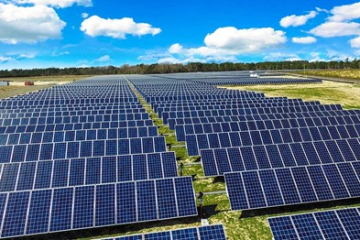
The African Continental Free Trade Area (AfCFTA) provides opportunities for youth to export products, while local innovations in solar energy (e.g., Messi Energy Solutions) are addressing infrastructure gaps.
The National Youth Policy of The Gambia (2019-2028) guides these initiatives, with involvement from the Ministry of Trade, Industry, Regional Integration and Employment (MoTIE) and the Ministry of Youth and Sports (MOYS).
Youth enterprise development in The Gambia is a national priority aimed at reducing the 41.5% youth unemployment rate and curbing irregular migration (the "backway").
With over 60% of the population under 25, the government and international partners focus on transitioning youth from "job seekers" to "job creators" through targeted funding, vocational training, and incubation.
There is a flagship EU-funded initiative that provides vocational training, entrepreneurship support, and mini-grants (up to D50,000) across key value chains like agribusiness and tourism.
Government or through its agencies also provides essential business skills training, micro-loans, and mentorship specifically for youth and women in the informal sector.
There is also a central hub offering co-working spaces, production studios, and investor networking, which has trained over 10,000 young people.
Advocacy and support organisations also connect young entrepreneurs to markets and networks.
Manages the Enterprise Development Fund (EDF) to support Micro, Small, and Medium Enterprises MSMEs).
Young entrepreneurs are encouraged to move beyond low-productivity subsistence work into high-value sectors, focusing on poultry farming, food processing (e.g., cashew and peanut butter), and horticulture.
However, high interest rates and collateral requirements from commercial banks make it difficult to secure startup capital.
While many youth lack formal training in business planning, financial literacy, and record-keeping, weak internal and external connections limit the ability of small businesses to scale.
Government recently announced the Skills Innovation and Entrepreneurship (SIE) Fund, with approximately $500 million (GMD equivalent) slated for disbursement over five years for scholarships and startup support.