National Youth Council (NYC) has been playing a central role in designing, coordinating, and popularizing National Action Plans (NAPs) on Youth, Peace and Security (YPS) under UN Security Council Resolution (UNSCR) 2250.
Inter-Institutional Coordination: They act as a bridge between youth networks, civil society organisations, and state ministries (such as foreign affairs, sport and youth, or gender ministries) by sitting on drafting working groups and steering committees.
Participation: Ensuring young people are included in decision-making and peace processes.
Protection: Safeguarding young peacebuilders and civic actors from violence.
Prevention: Involving youth in violence reduction, social cohesion, and conflict prevention.
Partnerships and Disarmament: Building multi-stakeholder coalitions and supporting demobilization efforts.
Roadmap and Coalition Building: In countries without a formal NAP, national youth councils coordinate national YPS coalitions to draft implementation roadmaps and lobby governments for institutionalization.
Monitoring and Accountability: They participate in tracking progress, mid-term reviews, and reporting frameworks to ensure NAPs translate from paper into actionable policy.
Meanwhile, UN Security Council Resolution (UNSCR) 2250 -alongside follow-up resolutions 2419 and 2535 - into concrete national frameworks.
National Youth Councils (NYCs) and youth-led bodies play a central role in shaping, consulting, and implementing these plans.
The action plans championed or co-designed by youth councils typically center on the core UNSCR 2250 pillars.
It ensures young people are involved in decision-making and peace processes, safeguards young peace builders and human rights defenders, and involves youth in violence reduction, social cohesion, and conflict prevention.
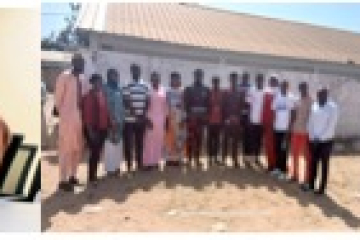
NYC also drives outreach down to local communities, regional constituencies, and villages - such as the National Youth Council of The Gambia's constituency popularization sessions for its NAP-YPS (2025–2030).
It mobilizes youth around the five foundational YPS pillars such as involving youth in governance and peace processes to safeguard young, peace builders and civic spaces.
The Council has continued to foster intergenerational dialogue and violent extremism prevention, build coalitions across civil society, governments and international agencies, and partner with the Youth Peace and Security Network. Furthermore, the Ministry of Innovation, Education, Youth and Sports launched foundational capacity-building programmmes to structure its national action plan.
Youth Council representatives often sit on multi-stakeholder National Steering Committees or Technical Working Groups to hold governments accountable for implementation, budget allocation, and mid-term or final reporting.
The Council contributes data and feedback to international tracking platforms such as the YPS Monitor and the YPS National Action Plans Community of Practice to measure how many countries have active NAPs.
The NYC lead grassroots outreach, constituency pop-ups and regional dialogues such as localizing the NAP in communities for young people to understand and take ownership of the agenda.