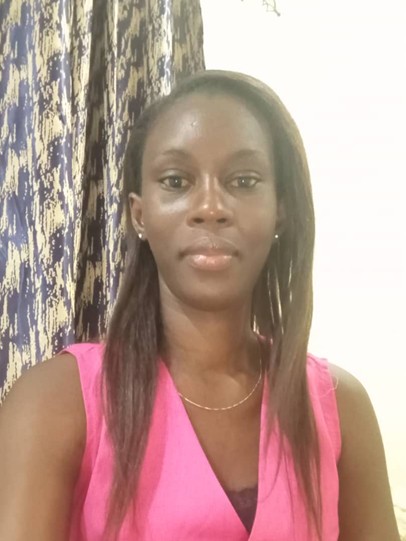
In a quiet corner of her family compound in The Gambia, Rohey M. Bah sits surrounded by the gentle clucking of chickens and the fresh scent of her vegetable garden. Her smile is warm, but her eyes carry a heaviness, a reminder of the long, painful journey that almost claimed her life. Today, she is home, rebuilding piece by piece what she once thought was lost forever. Her story, one of courage, pain, and rediscovered purpose, is not easily told without tears.
“I left The Gambia believing I was going to find a better life,” Rohey told The Point. “But along the way, I almost lost mine.”
Rohey once lived what she described as a “simple but dignified life.” She ran a small business selling poultry and fish, helping to support her family. Her days were long, but she was content. Then, like so many small business owners, everything changed when the COVID‑19 pandemic struck.
“The lockdowns destroyed everything,” she recalled. “People were told to stay home, and my business collapsed overnight. No income, no customers, no help. Each day felt like a fight for survival. I watched everything I had worked for fade away.”
It was during this dark time that she began to hear stories of others who had “made it” to Europe, families receiving money from loved ones abroad, tales of new beginnings that sounded like miracles. “I felt trapped,” she confessed. “I thought, maybe if I leave too, I can start again. I knew it was risky, but desperation makes you ignore danger.”
With a small bag and a heart full of hope, she set out on the journey that would change everything.
The Journey of Tears
The sea was merciless. For twelve endless days, Rohey and more than a hundred others were crammed into a wooden boat built for far fewer. The sun burned their skin by day, and cold winds cut through them by night. “We had very little food or water,” she said, her voice trembling. “People fainted. Some cried for help that never came. We were packed like we weren’t human beings. I thought I would never see home again.”
Hunger, thirst, and fear consumed them. Rohey watched people collapse from exhaustion. “I prayed every minute for God to save me. At one point, I stopped praying for a better life. I prayed just to stay alive.”
When the boat was finally intercepted off the coast of Mauritania, relief was mixed with tragedy. Some of her fellow travellers did not survive. Others were too weak or sick to continue. “We started the journey as 119 people,” she whispered. “Not all of us came back.”
Lost Dreams, Second Chances
For nearly a month, Rohey remained stranded in Mauritania, uncertain of what would happen next. “I thought I had left home for a brighter future, but instead I found pain, hunger, and loneliness,” she said. “I remember lying in a hospital bed, too weak to move, thinking, was this really worth it?”
It was then that she heard about the International Organization for Migration (IOM) and its voluntary return programme for stranded migrants. “When I learned that IOM could help us return home safely, I didn’t hesitate. I realised no dream was worth dying for.”
On 2 December 2020, Rohey finally returned to The Gambia alive, but emotionally scarred. Her family, who had long believed she was gone forever, broke down in tears upon seeing her. “My mother cried and hugged me like she would never let go,” Rohey said softly. “They had lost hope of ever seeing me again.”
Rebuilding from the Ashes
 Starting over was not easy. “Some people in the community judged me,” she admitted. “They saw me as someone who failed. But I saw myself as someone who survived.”
With IOM’s support, she received counselling and a small grant to restart her business. Slowly, she began rebuilding her poultry farm and horticultural garden. “It’s not much, but it’s mine,” she said proudly. “It gives me strength and reminds me that I can make it here, without risking my life.”
Determined to help others avoid the pain she endured, Rohey co‑founded a migrant support organisation — a network of returnees who visit schools and communities to raise awareness about the dangers of irregular migration. “We share our stories because we don’t want others to go through what we went through,” she explained. “If our voices can save even one life, then our suffering wasn’t in vain.”
From Pain to Purpose
Today, Rohey has turned her trauma into purpose. Her days are filled with caring for her animals, tending her garden, and mentoring young women who dream of a better future. “My goal is to grow my business and employ other young women,” she said. “I want them to see that success is possible right here at home.”
To young people considering the backway, her message is clear and heartfelt: “Don’t do it. The journey is full of pain, fear, and loss. I’ve seen people die with dreams in their eyes. Don’t risk everything for an illusion. You have the strength and creativity to build your own success here.”
A Story of Survival and Hope
Though the emotional scars remain, Rohey says she has found peace in her faith and through the love of her family. “I’ve learned to forgive myself and the past,” she said. “I’ve stopped asking why it happened and started focusing on how I can use my experience to help others.”
Her story is one of endurance and rebirth — a reminder that even after the darkest storms, hope can still rise. “The sea almost took my life,” Rohey whispered, tears welling in her eyes. “But God brought me back for a reason — to live, to rebuild, and to tell others that our future is still here, in The Gambia.”