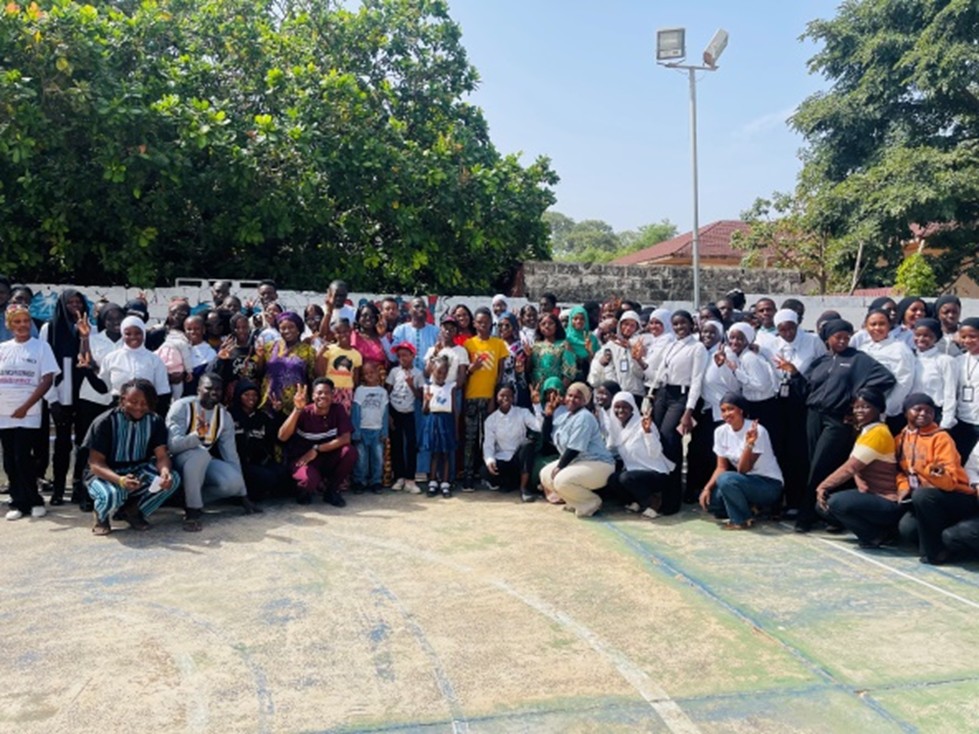
According to Dunn, the project aligned with the National Action Plan on Youth, Peace and Security by strengthening youth participation in conflict prevention, peace advocacy, and community resilience. “From the beginning, we believed that young people are not just beneficiaries of peace, but active builders of it,” she said.
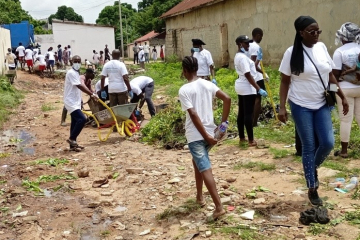
The project was implemented across the Greater Banjul Area, West Coast Region, and Lower River Region, focusing on three key component pillars: Livelihood skills training for vulnerable youth, including persons with disabilities; Start-up support to help young people transform skills into sustainable livelihoods, and Peace advocacy to promote dialogue, tolerance, and non-violence within communities.
Over the years, 625 young people have benefited from skills training, while 310 received or are awaiting start-up support. In addition, 310 young peacemakers have been trained and are now actively contributing to peacebuilding in their communities. The project also supported migrant returnees, offering them skills, stability, and a renewed sense of belonging.
A major highlight of the ceremony was the official launch of the YMCA Peace Song, written and composed by children and young people from YMCA summer camps in The Gambia and Senegal. Some contributors were as young as five years old. The song carries a simple yet powerful message: “Peace is in me”, reminding listeners that peace begins within each individual.
The song was officially launched by Mr Omar Bah of the National Youth Council, who praised the initiative as a strong example of instilling the values of peace at an early age. He noted that the song complements the National Action Plan on Youth, Peace and Security and will be used to promote peace nationwide, particularly as The Gambia approaches an election period.
The ceremony also featured the unveiling of the Peace Art Mural, a vibrant symbol of unity, resilience, and shared responsibility. Programme Officer Betty Kura Ndowe described the mural as more than art, but a reflection of shared stories and a lasting reminder of the collective duty to nurture peace. She reminded participants that although the project has officially ended, its spirit and lessons will continue to live on. “Peace is not an event; peace is a process and a shared responsibility,” she said.
Fatoumatta Kebbeh, a beneficiary of the programme, expressed gratitude for the opportunity and knowledge gained. She pledged to share and implement what she had learned with her colleagues and within her community.