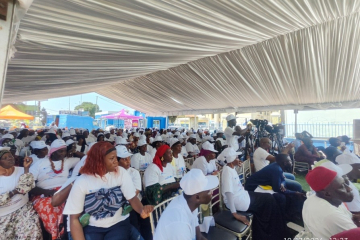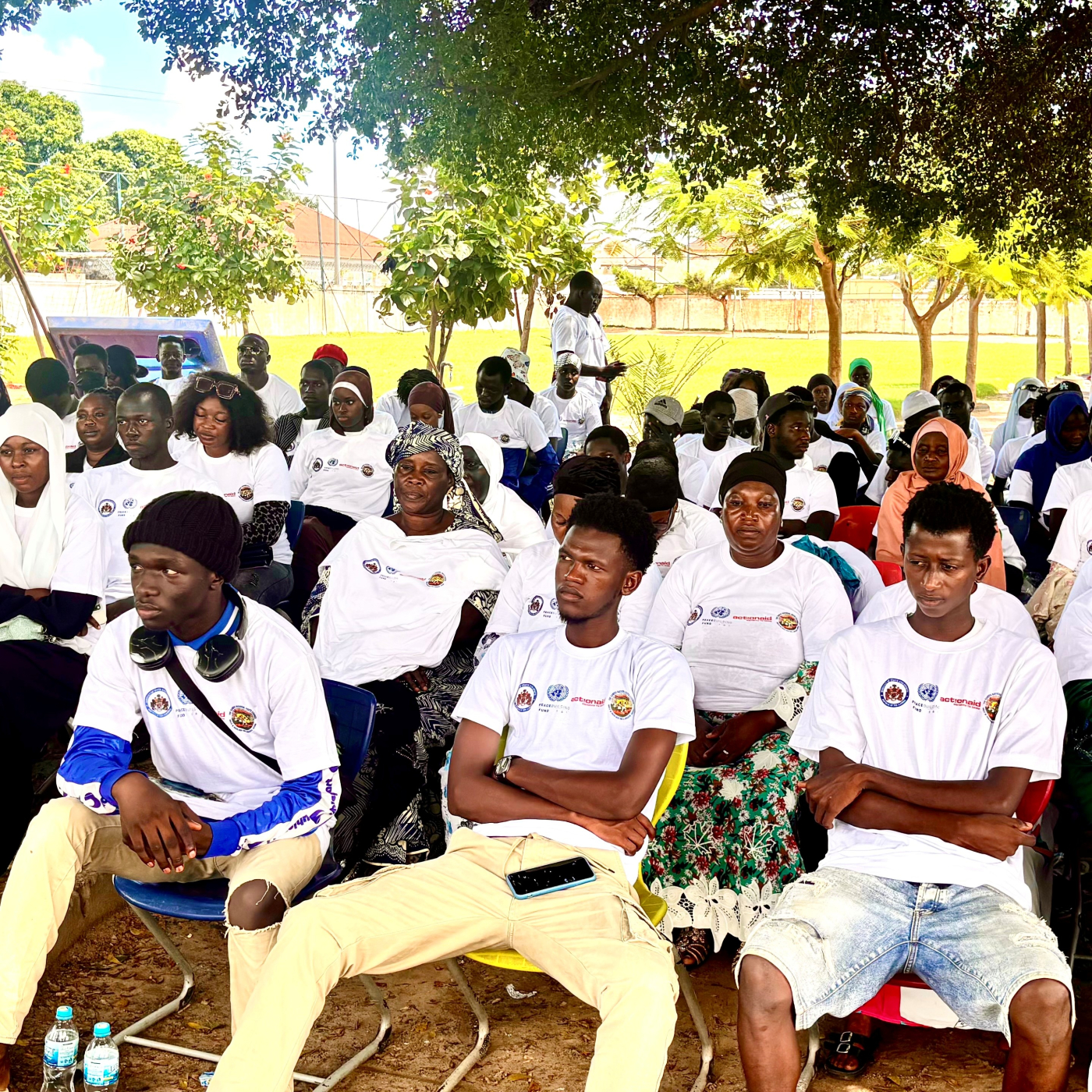
The National Youth Council (NYC), in partnership with ActionAid International The Gambia, on Tuesday engaged young people in Talinding as part of efforts to popularise the National Youth Policy (2019–2028) and ensure young Gambians understand the policy and their role in its implementation.
The engagement, held at the Talinding Youth Centre, forms part of a wider nationwide drive to take the policy and its Implementation Framework closer to young people.
The National Youth Policy provides a strategic framework for empowering young people and promoting their participation in the country’s socio-economic, cultural and political development. It focuses on key areas including education and skills development, employment, entrepreneurship, health and wellbeing, civic participation, gender equality and social protection.
The community outreach follows the recent validation of the Policy’s Implementation Framework, which brought together government institutions, youth organisations, civil society, development partners and other stakeholders to make the framework practical, inclusive and actionable.
Speaking at the engagement, Project Manager at ActionAid The Gambia, Saikou Bah, said it was crucial for young people to understand the policy so they could contribute to its implementation.
“Young people need to know what is in the policy,” Bah said, urging participants to take the information back to their football teams, youth groups and communities.
He noted that ActionAid is supporting the NYC to take the discussions to different communities because policies concerning young people cannot be effectively implemented if the intended beneficiaries are not involved.
The policy, he added, goes beyond employment and economic empowerment. Pillar 8 on Health, Wellbeing and Protection recognises that young people cannot fully participate in economic and social life without access to appropriate health and wellbeing services, including quality healthcare, youth-friendly services, sexual and reproductive health information, nutrition, sports and recreation, psychosocial support, substance-use prevention and protection from violence and exploitation. It also calls for bridging the gap in service access between urban and rural communities.
For his part, Youth Coordinator at the Ministry of Youth and Sports, Jim Lowe, said youth development requires collective effort involving government, the private sector, civil society and young people themselves.
“Everybody has a role to play to make sure we support our young people to reach their full level of development,” Lowe said, highlighting empowerment, creativity and innovation as areas requiring greater support.
He identified youth unemployment as one of the major challenges confronting young people and national development, stressing that employment, enterprise development and economic empowerment must remain key priorities.
The National Youth Policy itself identifies unemployment and underemployment as significant challenges and calls for measures including skills development, entrepreneurship, self-employment and wealth-creation opportunities.
The NYC, mandated to mobilise, coordinate and supervise youth organisations and implement national youth programmes, operates across all seven administrative regions and 53 districts of The Gambia. The Talinding engagement is therefore part of efforts to move the policy beyond boardroom discussions and bring its priorities closer to the young people it is intended to serve.
The overall objective is to create pathways for all young people — regardless of gender, disability, income level or location — to access education, skills, employment and entrepreneurship opportunities, while improving their health, wellbeing, protection and participation in national development.