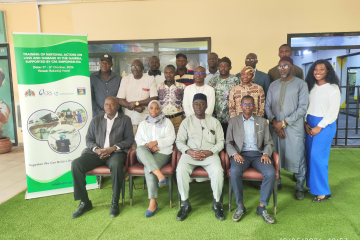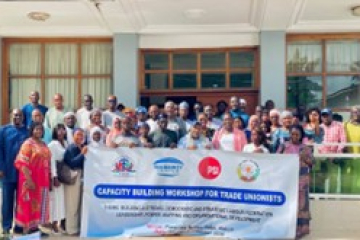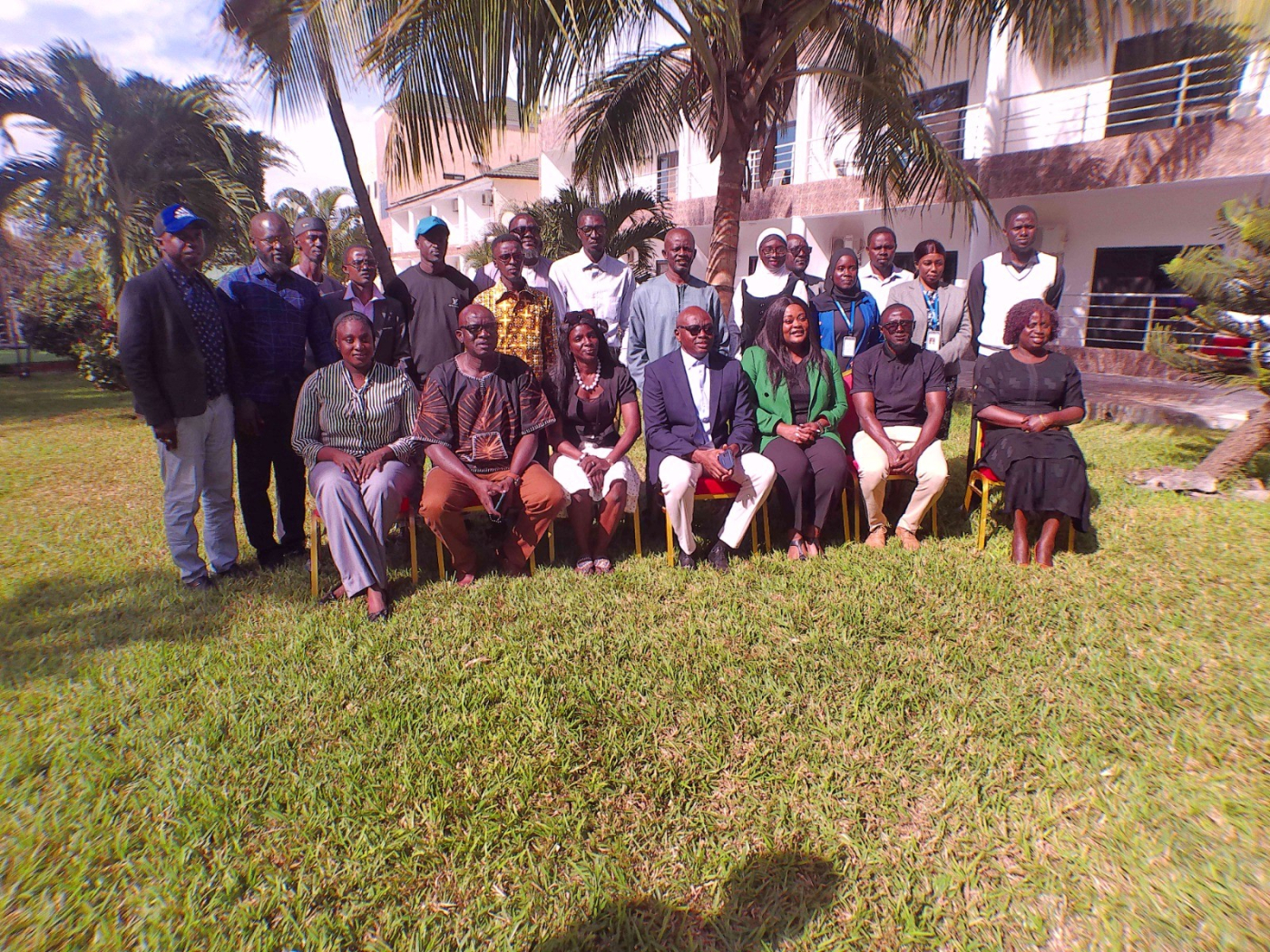
The National Labour Digital Skill Development Methodology Report, being supported by the World Bank under the WARDIP Project, is seen as an important document as it will consolidate existing documentations for the Ministry and as well as other sectoral documentation that impact the labour market gaps.
Speaking at the event, Dampha Manneh, Deputy Permanent Secretary of MOTIE, on behalf of the Minister for Trade, reminded that technology is rapidly transforming the world, fundamentally changing how we live, work, and connect.
“Innovations such as the internet, mobile phones, artificial intelligence, and digital platforms have made information and services more accessible than ever before. These advancements are driving economic growth, improving healthcare and education, and enabling new ways of doing business on a global scale.”
DPS Manneh reminded that in Africa, technology is having a particularly profound impact, adding that mobile technology has revolutionised communication and financial services, with millions now able to access banking through mobile money platforms.
“Digital tools are also helping farmers increase productivity, students access quality education, and entrepreneurs reach new markets. As broadband expands and digital skills improve, Africa is well positioned to use technology to tackle longstanding challenges, create jobs, and accelerate inclusive development.”
The Gambia, he added, is experiencing similar trends, with technology playing an increasingly important role in national development, saying the widespread use of mobile phones and the growth of internet access are connecting more Gambians to information, services, and economic opportunities.
He added; “Digital platforms are making it easier for businesses to reach customers, for students to access educational resources, and for citizens to engage with government services. In key sectors such as agriculture, health, and finance, technology is driving innovation and efficiency.”
Also speaking, Kawsu Barrow, representing the Project Coordinator of WARDIP, noted that the day’s forum focuses specifically on one of the most transformative elements of the program – the development of Digital Labour Skills and Digital adoption for the regional economy integration, which he added, falls under Component 4 of WARDIP; Online Market Development and Integration, with a financing envelope of US$12.89 million.
“Under Sub-component 4.1, we are investing approximately US$3.35 million in activities designed to stimulate innovation, support business competitiveness, and empower the young Gambians with employable skills, and strengthen our position in the emerging digital economy.”
This work, he added, is not theoretical, but rather it is deeply practical and people-centered, as it seeks to prepare our communities – from SMEs to startups, from young people to women-led businesses, from persons with disabilities to professionals – to participate meaningfully in digital transformation.
“First, we are promoting a sustainable and secure e-commerce ecosystem in The Gambia, aligned with ECOWAS’ Regional E-commerce Strategy. This means policy support, regulatory reforms, legal harmonization, and practical adoption by businesses. Second, we are supporting national innovation systems – our hubs, incubators, accelerators, and entrepreneurship-support organizations.”
The project, he believes, is also intentionally inclusive, adding that women, youth, and persons with disabilities are priority beneficiaries.
“In fact, our results framework commits that by the end of implementation, 280 Gambians will receive certified digital skills linked directly to new or improved employment or income opportunities – at least 30% women and at least 5% persons with disabilities.”
Fabba Jammeh, Director of Employment MOTIE, also expressed similar sentiments at the opening ceremony.