The survey and design phase represents a critical step in developing sustainable, climate-resilient irrigation schemes and enhancing market access for rural communities. The project aims to rehabilitate 3,002 hectares of rice cultivation and construct 21 access and feeder roads across The Gambia.
Speaking on behalf of the project director, Social Safeguard Officer Ebrima Ceesay praised the initiative, noting that it brings together diverse perspectives to ensure effective, efficient, and cost-conscious designs. He emphasised that land development has long been a challenge in The Gambia, yet it remains central to achieving national rice self-sufficiency.
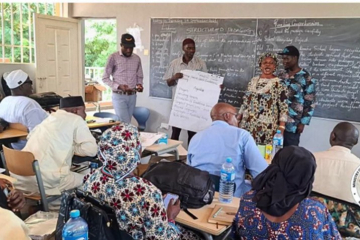
“We are here today to fully examine each design area for land development, critique it properly, and ensure an inclusive view so that we can finalise the designs before they go to international competitive bidding,” Ceesay said.
Modou Sowe of the Central Projects Coordinating Unit reminded participants of the country’s ambition to feed its population with rice, the national staple. He described REWARD as a flagship project that would help address long-standing challenges in food security.
Italian consultancy firm HydroNova, tasked with the technical designs, was represented by team leader Paolo Benetazza. He highlighted the company’s 35 years of experience in water resources and irrigation projects across Europe, the Middle East, and Africa. Benetazza explained that stakeholder engagement is vital to ensuring the project’s successful implementation.
Dr Mustapha Ceesay, Deputy Country Representative of the Food and Agriculture Organization (FAO), noted that FAO has long supported rice development in The Gambia, including the National Rice Development Strategy. He stressed that rice remains a priority crop for the country and change is needed to boost production.
Musa Houma, Director General of the Department of Agriculture, speaking on behalf of the Minister for Agriculture, reiterated the government’s 2030 Agenda for Self-Sufficiency, with rice cultivation at its core.
“Once we achieve self-sufficiency in rice, other areas will follow more easily. That is why almost all projects under the Ministry of Agriculture include a rice component, but REWARD is exclusively focused on rice,” Houma said.
He added that the validation session provides an inclusive platform for gathering technical inputs, which HydroNova will incorporate into the final survey and design report.
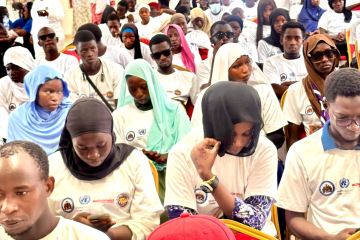
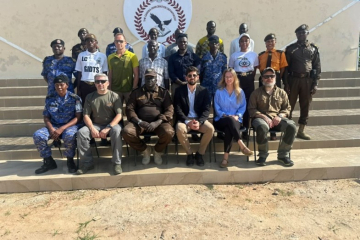
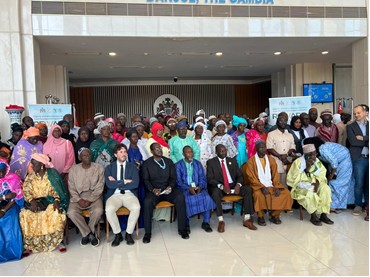
The event attracted a wide range of stakeholders, including development partners, policymakers, agricultural engineers, local and regional administrators, environmental and social experts, farming organisations, civil society, project communities, and private sector representatives.