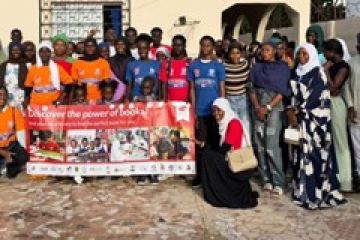
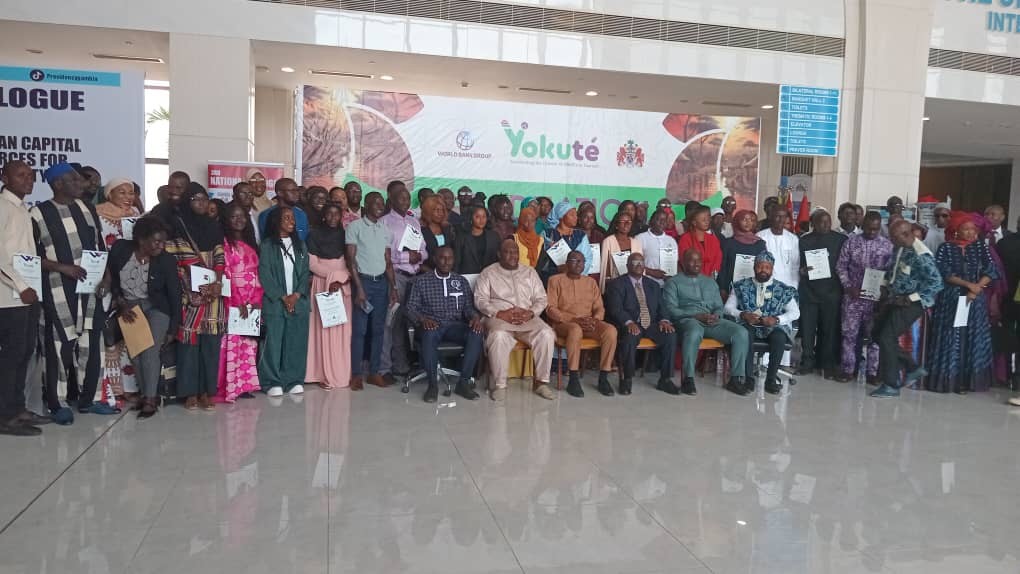
The 3.5year intervention under the Tourism Diversification and Resilience in The Gambia Project (TDRGP), funded by the International Development Association of the World Bank Group, seeks to build the capacity of over 200 tourism-related MSMEs with priority given to female-owned and female-led businesses. The project utilises multi-approaches including training, coaching, mentorship, peer-learning, investment readiness preparations and access to matching grant scheme.
At the graduation ceremony, Momodou Ceesay, project director Tourism Diversification and Resilience in The Gambia Project (TDRGP), reminded that the day marks the graduation of the second cohort of tourism-related MSMEs under the Yokute Accelerator Program while also unveiling the third cohorts.
He talked about some of the targets that were set at the beginning of the project as outlined in the results framework in the project appraisal document, describing it as a success.
‘‘The Yokute program is a very important program for the project. That is why at the project development objective level, there is an indicator to track our support to MSMEs.’’
Ceesay also talked about the baseline set in 2022, noting that in 2026, the target was 20% of share of beneficiary MSMEs that have new or expanded contracts with the lead firms.
He maintained that the project target, which is for June 2027, is 30% and that as of December 2025, 32% of MSMEs, and with total of 63, in cohort’s ones and two, have new or expanded contracts with tourism-lead farms.
This indicator, he added, was verified by the PIU's M&E team, saying they are pleased to say that they have already surpassed the end project target of 30%.
Secondly, he reminded that in terms of the sub-sector within tourism, businesses are represented from all the different levels; the informal sector, the formal sector, and they have these businesses in the two cohorts.
“So therefore, we can really call it a success at the halfway point of the program. Since each of the cohorts was planned to have 50 businesses, and then with four cohorts, we will get 200.”
Washington Koech, IBF Project Manager, noted that this was the second time and witnessing more than 95% of MSMEs graduating from the second cohort, is a clear testament of hard work, resilience, and fruitful collaboration among all stakeholders.
He commended the graduates for their discipline, commitment, and the courage to grow, something he said, deserves recognition.
“At IBF expertise, we are deeply committed to contributing to the sustainable development of transitioning economies through informed and prudent project management approaches.”
Growth, he added, is not always comfortable and transformation is not always easy, but that the participants have stayed the course.
Their presence and accepting to be unveiled within the third cohort, he added, is just the first steps of many more to come.
Similarly, he extended appreciation to the thematic experts worked tirelessly behind the scenes and their exceptional business development managers, who were always around to walk the journey with all their participants.
Siaka Fadera, deputy permanent secretary at the Ministry of Tourism, Arts and Culture, said the event reflects national commitment to strengthening the productive capacity of Gambian businesses and ensuring that tourism growth translates into inclusive economic opportunity across communities.
Tourism resilience, he added, remains a strategic pillar of The Gambian economy, transforming transformation agenda beyond visitor arrival.
‘‘It represents employment creation and enterprise development, export earning, cultural preservation, community resilience. Tourism must evolve into diversified, value-driven sector that empowers domestic enterprises and expands opportunity beyond traditional coastal markets.’’
DPS Fadera indicated that this tourism diversification and resilience in The Gambia project seeks to strengthen competitiveness, resilience, and private sector participation, while promoting sustainable growth across selected communities in the destination and strengthening the linkage between tourism and partners.
He noted that at the core of this effort is the Yokute Acceleration Program, a practical mechanism for translating policy into impact by building micro, small, and medium-sized enterprises’ capacity, while “facilitating market integration and expansion across to finance through coaching mentorship, peer learning, and margin grant support.”
Franklin Mutahakana, World Bank Resident Representative for The Gambia, acknowledged the achievements of the second cohort of the Yokute Accelerator Programme and that through the project they are strengthening the capabilities of tourism MSMEs to be able to connect with buyers, meet industry standards and integrate more effectively across the tourism value chain.
‘‘When MSMEs improve, the way they manage, produce and deliver, they build trust with lead firms and open pathways to steady contracts and sustained growth. Selection into the program focuses on MSMEs that reflect the quality and authenticity of the Gambia and that shows strong potential to scale.’’
The World Bank rep maintained that the emphasis has been on the tools that matter most to buyers that is consistent quality, reliable delivery, sound record keeping, digital visibility, customer service and adherence to standards.
These, he added, are the foundations that turn promising enterprises into dependable partners for hotels, tour operators, restaurants, experienced providers and other tourism leaders. To the graduating second group, he offered congratulations on reaching this milestone.
The event witnessed presentations of certificates to graduating cohorts, Video presentation as well as entertainment by Flex Fusion and Mariama Cham from Culture Vulture.