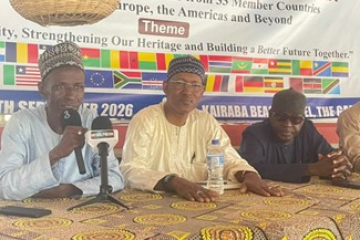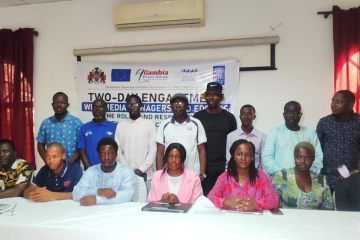
The forum also seeks to critically analyse the committee’s findings and examine concerns around alleged corruption, conflict of interest and weak oversight in the management and sale of recovered assets.
It is part of initiatives aimed at ‘Fostering Anti-Corruption Efforts (FACE) Project, supported by the U.S. Embassy.
At the opening, Marr Nyang, Executive Director of Gambia Participates, reminded that the review comes at a crucial time when public trust in state institutions is being tested.
“It is unacceptable that assets recovered in the name of fighting corruption are disposed of through practices that appear equally compromised by corruption within state institutions and public officials,” Nyang said.
He acknowledged the role of the Truth, Reconciliation and Reparations Commission (TRRC), investigative journalists and civil society movements in exposing alleged irregularities, saying their efforts led to the establishment of the National Assembly’s Special Select Committee.
“One thing that is unequivocal is that the disposal of forfeited assets linked to former President Yahya Jammeh was marked with lack of transparency, corruption and conflict of interest,” he added.
Nyang urged the government to act on the committee’s findings, warning that failure to ensure accountability would allow corruption to persist and deprive the state of much-needed resources.
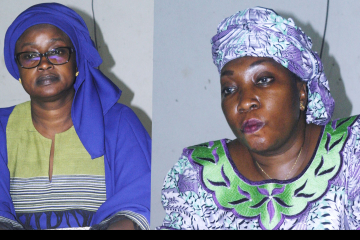
A participant at the event, Awa Macalo from The Republic, highlighted concerns raised, pointing out that the process must go beyond discussions to tangible reforms.
“We have seen reports and recommendations before, but implementation has always been the challenge. This time, there must be clear actions to hold those responsible accountable and to fix the system,” the participant said.
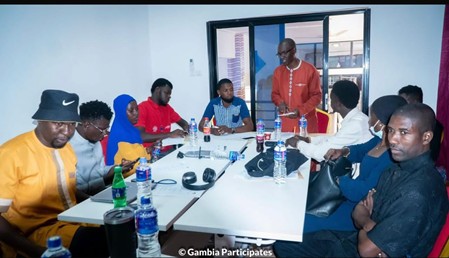
Over the two days, participants dissected the report, reviewed legal frameworks governing asset recovery and disposal and developed a position paper outlining both immediate and long-term accountability measures.