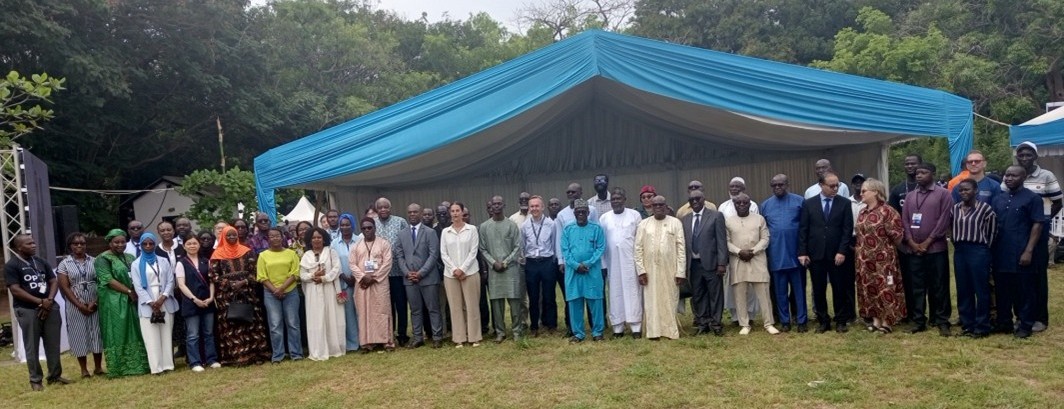
The Medical Research Council (MRC) Unit The Gambia at the London School of Hygiene and Tropical Medicine opened its doors on Wednesday to students, communities, and partners, marking nearly eight decades of groundbreaking health research and collaboration between the United Kingdom and The Gambia.
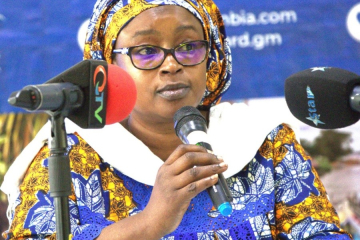
Speaking at the event, the Deputy British High Commissioner to the Gambia, Ella Penton-Voak, praised the MRC as “one of the most enduring and successful partnerships between the United Kingdom and The Gambia.” Established in 1947, the unit has become the UK’s single largest investment in health research in a low- and middle-income country, supported through UK Research and Innovation.
The Deputy High Commissioner highlighted the global impact of research carried out in The Gambia, noting that studies on vaccines and malaria prevention have influenced health policy worldwide. “The groundbreaking work demonstrating the effectiveness of insecticide-treated bed nets has helped transform malaria prevention globally,” he said, adding that the recent award of the Edinburgh Prize for Global Health Impact to the Ministry of Health and the MRC was “a fitting recognition of that achievement.”
Beyond research, the MRC has played a vital role in training the next generation of scientists through partnerships with UK universities and African institutions. “The expertise being built here is strengthening research capacity across the Gambia and the rest of the continent,” the Deputy High Commissioner remarked. “The success of MRC is measured not only in publications and discoveries, but in healthier children, stronger health systems, better informed health policies and ultimately lives saved.”
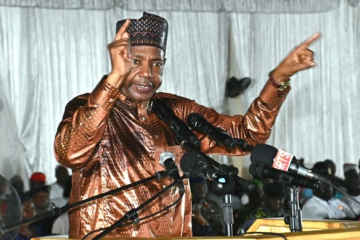
Permanent Secretary at the Ministry of Health, Lamin Dampha, echoed these sentiments, emphasizing the importance of the open day in fostering public trust. “An open door for such a long-standing institution is important as we have an opportunity to better understand the work that is done here, how it is done and what it means for the health of our communities,” he said.
Dampha commended the MRC’s role in strengthening The Gambia’s immunization program, supporting tuberculosis research, and collaborating closely with the Ministry of Health on national health priorities. He recalled the unit’s vital support during the COVID-19 pandemic, including early testing, staff training, and provision of equipment. “The most lasting contribution of a research institution is its investment in the people,” he added, noting that many Gambian health leaders began their careers at the MRC.
Addressing students in attendance, Dampha encouraged them to envision themselves as future scientists and health leaders. “Our country needs public health leaders, epidemiologists, doctors, nurses and scientists,” he said. “Gambian communities have been partners in research for generations and the MRC has honoured that trust through rigorous ethics, quality clinical services and sustained engagement.”
The event underscored the enduring partnership between the UK and The Gambia in advancing global health. Both speakers expressed pride in the achievements of the MRC and gratitude to staff, funders, and community partners whose dedication has made the institution a cornerstone of health research in Africa.