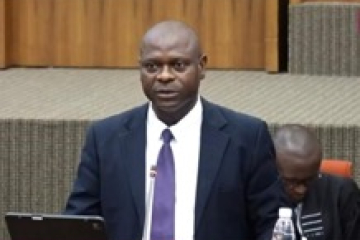
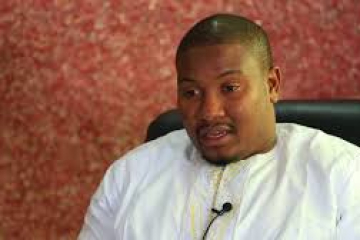
The minister’s theme, Sisay noted, was improving the well-being and quality of life of Gambians. But he questioned whether the numbers backed up that promise. The budget, which runs to 59 billion dalasis, devotes nearly half of its allocation to recurrent expenditure largely wages and running costs of government.
“If you want to improve the well-being of average Gambians, you do not devote almost half of your national budget to recurrent expenditure,” Sisay argued. “It should be the other way around.”
At the heart of his criticism was what he described as an internal contradiction, a pro-poor theme paired with spending patterns that benefit the executive, legislature and judiciary. Sisay pointed out that while top officials and National Assembly members are paid on time, workers in other sectors often wait days or weeks for salaries.
“We borrow to be able to pay these people at the end of the month,” he said, rejecting the minister’s earlier dismissal of claims that high government pay contributes to debt.
Sisay’s remarks echoed complaints he said the UDP leadership is hears on its nationwide tour that year after year, those in power pay themselves well while farmers and ordinary citizens are left behind.
He cited the stagnant price of groundnuts as an example, contrasting modest increases for farmers with global price realities and decades-old excuses about aflatoxin.
“For 60 years we’ve been talking about aflatoxin, questioning why improved seeds and inputs used successfully elsewhere have not been seriously pursued.”
On social spending, Sisay gave credit where he felt it was due. The allocation of nearly six billion dalasis to education, he said, was impressive and suggested government may finally be listening to criticism.
Health, however, lagged behind. Though the 3.1 billion dalasi allocation marks an improvement, Sisay said it still falls short, especially when the budget itself provides for overseas medical treatment.
“You hear the president tell people in the Diaspora to come home for medical care, but they are flying themselves out.”
Beyond allocations, Sisay took aim at the structure of the budget, which he said relies on taxes, loans and grants, a model he described as unsustainable. An economy built this way, he argued, remains trapped in consumption rather than production, especially when 13 billion dalasis is spent annually servicing debt.
Reform, Sisay warned, will not be painless. If the UDP ever takes power, he said, cuts would start at the very top. “We are going to come with a chopping knife,” he declared, acknowledging that removing perks and privileges would create enemies but insisting it has to be done.