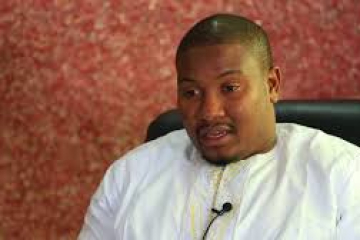
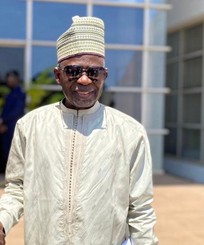
“It’s the usual statement; it looks like a report book on what has been done,” he said.
He suggested that by listing achievements, the address indirectly exposes gaps. According to him, when government highlights progress, it also inferentially reveals what has not been accomplished, particularly when challenges are mentioned.
On security, he drew a clear line between the safety of the state and that of ordinary citizens. While acknowledging that state security appears stable and cannot be doubted, he raised concern over personal safety.
“Individual personal security is a little bit problematic,” he noted, stressing that improving the situation requires more than “rhetoric”.
He calls for practical investment in the country’s security forces, urging authorities to focus on training and equipping personnel. “We just have to provide training for our security personnel and give them the necessary tools they need to do their work,” he suggested, pointing specifically to the needs of police and other officers.
The UDP leader also dismissed the address as lacking “originality”, arguing that it mirrors other government communications. “If you listen to the budget, it’s the same type of statement you find there. “So there’s no difference at all,” he said, reinforcing his view that the speech offered “little new direction”.
On agriculture, however, he struck a more unifying tone, emphasising that the sector remains central to the country’s survival and growth. “No one can ignore agriculture; it’s the backbone of the country,” he said, adding that any government must prioritise it.
He echoed a core message of his party, emphasising the importance of national stability. “Peace is very vital for us. You cannot have stable progress if you don’t have peace,” he said.
He concluded that only through peace and stability can the country achieve its development goals, underscoring what he described as the UDP’s enduring focus, peace and progress.