The demands were made during a meeting at Kuraw village in Sandu District, Upper River Region (URR), as part of activities marking President Adama Barrow’s ongoing nationwide tour. Young people stressed that without investment in training and empowerment, many are left with little choice but to seek opportunities abroad, often through unsafe and irregular routes.
As President Barrow’s nationwide tour continues, residents of Sandu constituency voiced pressing concerns ranging from youth empowerment to road infrastructure, water access, and police mobility. The demands, dominated by calls for road construction, reflect the challenges rural communities faced during the rainy season.
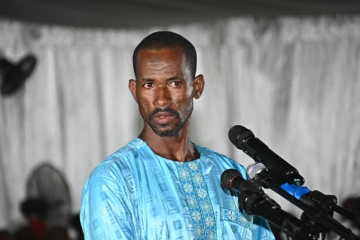
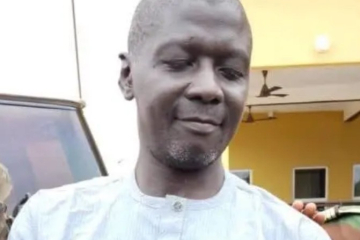
Speaking on behalf of the youth, Ousman J. Bah appealed for the establishment of a well-equipped skills centre to empower young people and reduce irregular migration. “A skills centre will help curb irregular migration. Many youths leave because of limited job opportunities in the country,” Bah emphasised. He further urged the extension of the small ruminant project to benefit the people of Sandu and called for vehicles to strengthen operations at the Diabugu Police Station.
Community leader Alagie Bilal Jawara echoed similar concerns, stressing the urgent need for the construction of the Sandu Dasilameh Road, which he said becomes impassable for pregnant women and vulnerable groups during the rainy season. Jawara also appealed for the solarisation of the village borehole, noting that residents spend up to D25,000 monthly on cash power to access water.
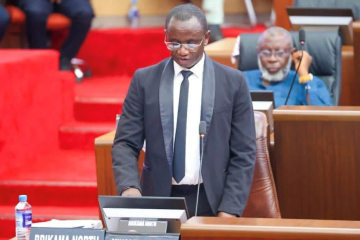
Meanwhile, Honourable Ebrima Jaiteh, National Assembly Member for Sandu, praised the government for constructing the Lamenkoto–Pasamas road and improving access to clean drinking water. However, he highlighted that out of 56 villages in the constituency; only 12 are connected to the highway, leaving the majority isolated during the rainy season. “Good road networks remain a challenge, hindering movement and economic activity,” Jaiteh remarked.
The appeals underscore the community’s desire for sustainable development projects that address both immediate needs and long-term growth. As the president’s tour progresses, Sandu’s demands reflect a broader national call for improved infrastructure, youth empowerment, and essential services.
Baja Kunda meeting in Wulli East
The Alkalo of Baja Kunda, Alagie Abdoulie Bajaha, appealed for the construction of a road linking the community to the hospital, as well as the upgrading of the Baja Kunda water tank, which he said can no longer meet the growing demands of residents. He further urged for the construction of roads connecting cluster communities, lamenting the struggles commuters face during the rainy season.
Mr Ismaila Juwara echoed earlier appeals made by Ousman J. Bah, calling for the establishment of a skills centre, a standard football field, and youth empowerment funds in Wulli.
Sillay Jallow also appealed for the construction of the Wellingara–Makama Sire–Foday Kunda Road, stressing that it connects 16 communities but becomes unusable during the rainy season, thereby denying residents access to basic infrastructure. “We have Paramilitary Officers [PIU] stationed in Makama Sire who ensure security in the area, but allow me to report that they do not have any mobility vehicles,” Jallow added.
Honourable Nfamara Sabally of Wulli East called for the establishment of a military barracks in Sare Teneng to strengthen security in the region.
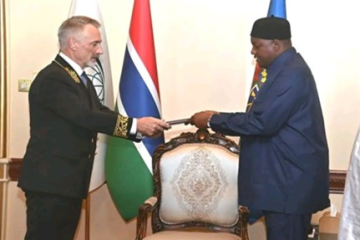
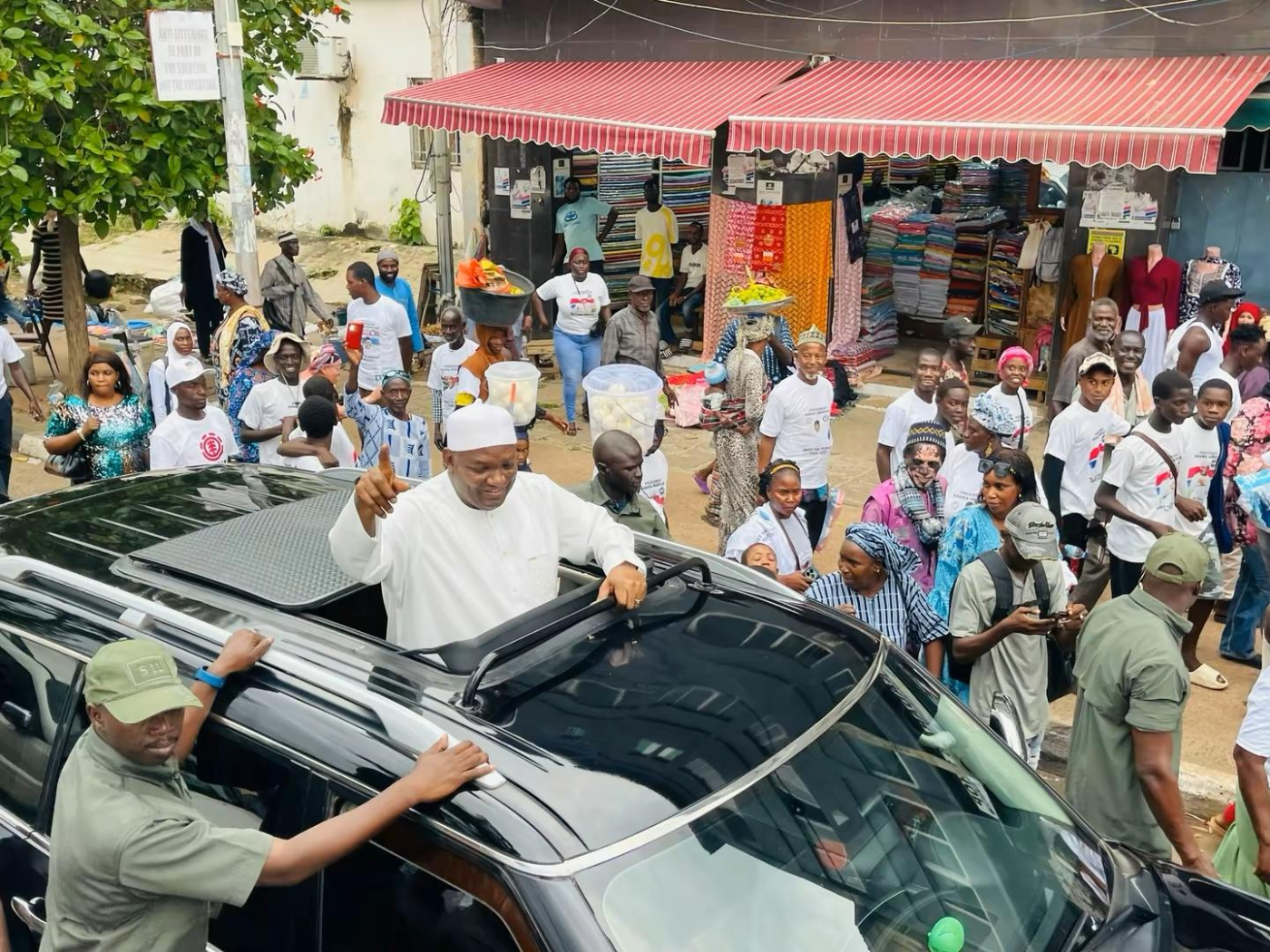
Responding to requests made by the inhabitants of Sandu and Wulli East, President Adama Barrow reaffirmed his administration’s commitment to addressing the pressing issues affecting Gambians. He assured the communities that their concerns had been duly noted and pledged that the government would work towards resolving them.
On the issue of roads, the President promised that communities in the Upper River Region (URR) would soon benefit from a massive road construction programme. “You will have good roads as the government embarks on this project,” he assured.
Turning to electricity, President Barrow gave a firm assurance that every community in the country would have access to power before the end of 2026. “Electricity is my own project. In fact, there is no need for people to even ask for it. Whether you are in a small village, in the hills, or even a single compound, you will have electricity,” he declared.
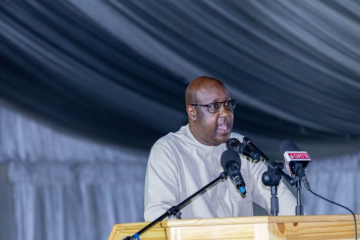
Also responding to the concerns, the Minister for Lands, Local Government and Religious Affairs, Hamat N.K. Bah, announced that through the RISE project, 150 individuals identified via the social register will be trained and provided with $300 each as start-up capital to support their livelihoods.