“Any statement or action that encourages discrimination or victimisation has no place in a democratic society,” the PPP said. “The Gambia belongs to all Gambians. No citizen should feel threatened because of tribe, region, surname, or political belief.”
The party said civil servants are increasingly denied opportunities due to political affiliation, tribe, or background. “The Civil Service must never become a political battlefield. Civil servants serve The Gambia, not political parties,” Faal said.
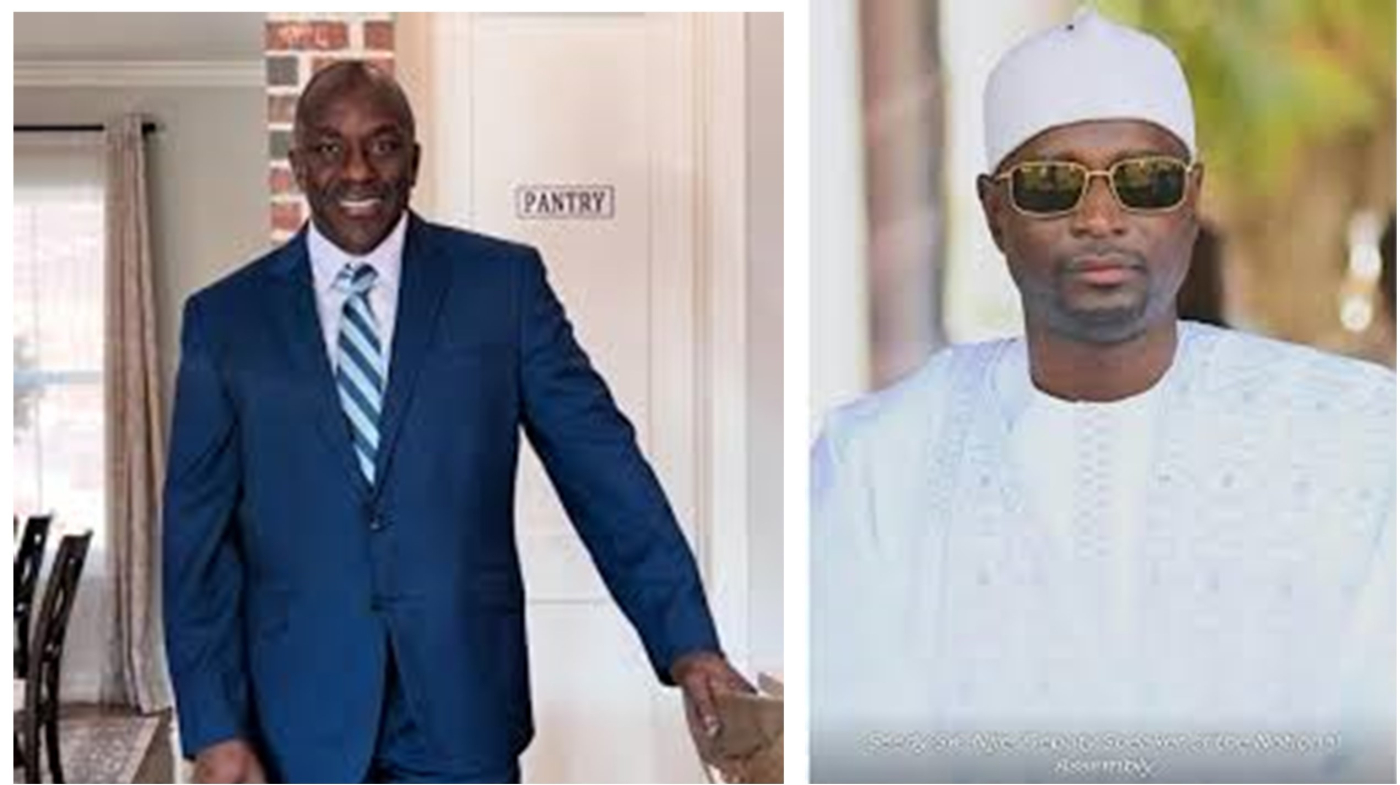
The PPP called on President Barrow to place national interest above partisan considerations and demanded accountability. “If President Barrow had placed national interest first, he would have publicly reprimanded Seedy Njie,” the statement read.
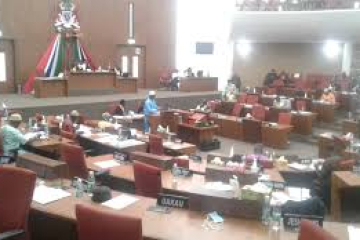
It added that if Njie respected his office, “he would have apologised to Gambians and resigned.” If both fail to act, the PPP urged the National Assembly to “invoke all applicable laws and procedures to remove him” to protect the dignity of Parliament.
Citing PPP history, Faal referenced the 1972 “Butut scandal” when Vice President Sheriff Mustapha Dibba resigned under Sir Dawda Kairaba Jawara. “Sir Dawda ensured accountability was upheld above personal or political loyalty. No individual was above public accountability,” he said.
The PPP said post-independence unity was a priority because of doubts about The Gambia’s viability as a state. Jawara, it noted, invited opposition figure E.D. Njie to serve as Health Minister after independence. “This was not weakness; it was statesmanship rooted in reconciliation and nation-building.”
The party warned that historical lessons are being ignored. “Many young politicians have limited understanding of the sacrifices and tolerance that shaped modern Gambia because these stories are rarely taught,” Faal said.
He noted that Works Minister Ebrima Sillah recently acknowledged plans to revive the PPP-era vehicle policy. “This is evidence that PPP policies were designed around efficiency, accountability, and national development,” the statement said.
The PPP urged government to use experienced former civil servants instead of sidelining expertise for political reasons. “Nations progress when experience and competence are respected, not discarded.”
Quoting Jawara, Faal said: “Issues and politics were what the people wanted to hear, not abuse. Speakers would set aside real issues and speak disparagingly of opponents’ parentage and bloodline. I treated such puerile notions with disdain.”
Jawara, he added, believed “fairness, thoughtfulness and tolerance” were central to democracy. “Dialogue is crucial when bonds have been broken.”
“The future of The Gambia must be built on unity, justice, mutual respect, and national purpose — not fear, tribalism, or political vengeance,” Faal concluded.