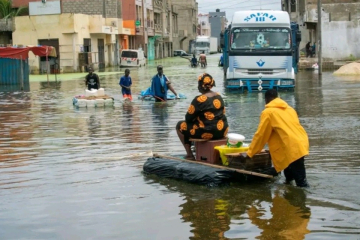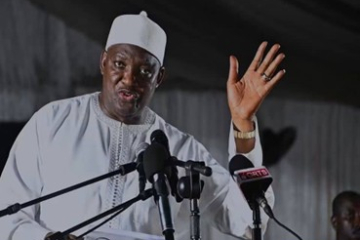
While the rains bring relief from extreme heat and revitalise agriculture, Sowe cautioned that they also expose communities to blocked drains, overflowing waste containers, stagnant water and preventable diseases. “Every year, communities across the country witness blocked drains, flooded streets, overflowing waste bins, and the spread of diseases that could have been prevented through proper waste management,” he said.
Sowe urged households to adopt better disposal practices, including separating biodegradable waste from recyclables and avoiding dumping in drains, wetlands and open spaces. “While waste generation is inevitable, how we manage it determines whether it becomes a public health hazard or a resource that can be managed responsibly,” he noted.
He warned that uncovered waste attracts flies, rodents and other pests, while waterlogged refuse creates breeding grounds for mosquitoes, increasing the risk of malaria and other vector‑borne diseases.
Calling on Area Councils and municipal authorities to strengthen collection services during the rainy season, Sowe said delayed collection often forces residents into illegal dumping. Overflowing communal containers and poorly managed dumping points, he added, contribute significantly to blocked drainage channels and flooding.
Beyond collection, he highlighted the need for safe transportation and disposal, warning that uncovered vehicles scatter waste along roads and contaminate the environment. He called for investment in sanitary landfills, recycling initiatives and composting programmes, describing open dumping as a major threat to public health and environmental protection.
Linking poor waste management to climate change, Sowe said indiscriminate dumping worsens flooding, damages infrastructure and creates stagnant water that encourages mosquito breeding. “These environmental conditions increase the risk of malaria, cholera, typhoid fever, dysentery and other communicable diseases,” he stated.
He emphasised the importance of public awareness, urging schools, community leaders, religious institutions, civil society and the media to promote environmental responsibility. Government authorities, he added, must strengthen enforcement of sanitation regulations and provide adequate support to local institutions.
“Every plastic bag properly disposed of, every drain kept free from waste, and every household that stores waste responsibly contributes to protecting the health of the entire community,” Sowe said.
Concluding, he insisted that waste management is not only about clean surroundings but about protecting public health, strengthening climate resilience and supporting national development. “The rainy season should be a period of renewal, not one marked by preventable disease outbreaks and environmental degradation. Together, we can build cleaner communities, healthier families and a safer future for The Gambia,” he declared.