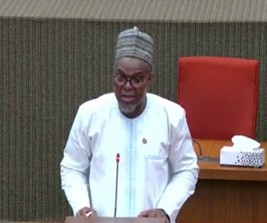
The Vice President said the government, through the National Nutrition Agency, is implementing several measures to reduce the impact of food insecurity, particularly among extremely poor households.
He said a cash transfer programme currently covers 19,449 households, representing an estimated 155,504 people. Each household receives D1,500 monthly to support consumption, a diversified diet and other basic social needs.
According to the Vice President, the cash transfers are supported by social and behavioural change communication activities, including radio programmes, on-site advocacy, community engagements, radio and television discussions, social media engagement and other activities aimed at building household resilience.
He said the programme is also intended to improve knowledge and skills on household health and nutrition, early childhood development, education, health and family planning.
The government is also preparing emergency assistance under the Contingency Emergency Response Project to mitigate the impact of the global food crisis.
“Approximately 96,000 households will be provided emergency cash transfer, the intervention will include 16,948 households benefiting from the existing programme as it is phased out in 20 districts,” he stated.
However, an MP questioned the connection between the cash transfers and food security, particularly for poor families who struggle to afford basic food such as a bag of rice.
The Vice President explained that the question was specifically about nutrition, stressing that the cash support is supplementary and intended to improve the quality of household diets.
He said the support is therefore linked to behavioural change communication to help households, particularly mothers, understand the types of food needed to improve their nutritional status.
The exchange highlighted the scale of the food insecurity challenge and the government’s reliance on cash support and nutrition education to help vulnerable households cope.