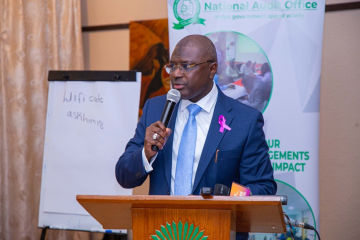
He explained that electricity transactions within the regional power market operate through a reconciliation process before invoices are finalised.
According to him, energy consumed through regional interconnections must first be measured, verified and reconciled before payments are processed.
"That lag is always a natural thing. It is how the market works," he said.
Mr Ceesay stressed that any outstanding balances between NAWEC and suppliers such as Senegal or Guinea do not indicate non-payment or financial distress.
"There is no financial issue here," he stated.
He further explained that all cross-border electricity transactions are backed by bank guarantees, providing suppliers with financial security in the event of any default.
"If we have not paid our bills, they would cash the bank guarantee," he said.
The Deputy Managing Director maintained that the current power shortages are instead linked to maintenance activities, equipment challenges and broader regional supply constraints rather than any debt dispute.
"I don't think we can say that because we owe money, the energy is not actually being provided," he said.
He also clarified that electricity imported from Guinea passes through Senegal's transmission network but is not necessarily generated by Senegal itself, urging the public not to interpret every supply challenge as a bilateral dispute.
"We don't want to blame Senegal or anybody else. We want the Gambian people to have the facts," he added.