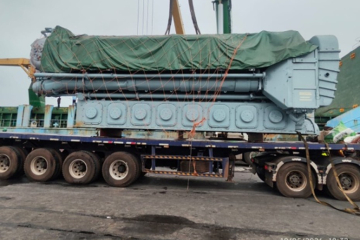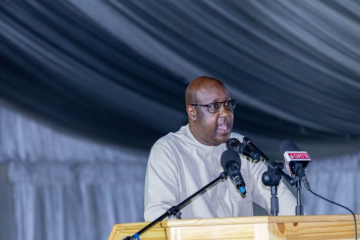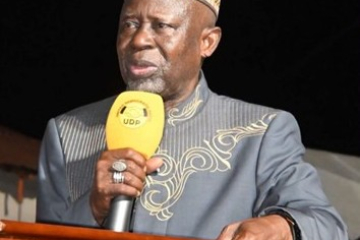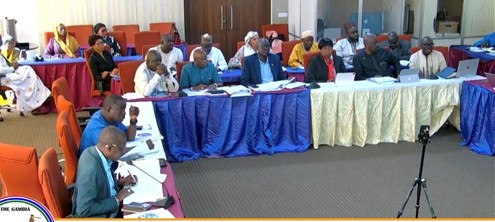
During the presentation of the PURA 2023–2024 Annual Reports, Financial Statements and Management Letters before the National Assembly committee, Dr Njogou L. Bah, managing director of PURA confirmed that fuel samples are currently transported to Senegal under a contract with SJS Senegal because The Gambia does not have an accredited laboratory as required by the Petroleum Products Act.
He told the committee that although this arrangement is costly, it is better than not testing at all.
He explained that private investors previously explored the possibility of setting up an accredited lab in The Gambia, including investors from Nigeria, but withdrew after determining that the scale of operations in the country would not allow them to recover their investment. Attempts to collaborate with the Gambia Standards Bureau also stalled because the bureau does not yet have the capacity or equipment to provide the service.
Members of the committee questioned how long the country would continue sending samples abroad; arguing that very soon was not a timeline. They directed that progress on the lab must be reflected before the 2026 report is submitted.
Dr Bah, indicated that under the SIGPRO project, a structure for a national lab has already been identified, but critical equipment was not included in the initial agreement. While the authority is not the direct beneficiary of the project, it committed to pushing for progress through the relevant committees.
The committee also examined per diem payments linked to the transportation of fuel samples to Senegal.
He clarified that the payments were drawn from its own budget and were tied to official duties associated with sample collection and testing abroad.
On licensing issues, he confirmed that some telecom operators that previously charged fixed fees had either failed to roll out services or suspended operations.
Lawmakers warned that recurring inconsistencies in applying percentage-based charges must be corrected by the next audit cycle.
The committee further reviewed unresolved audit findings, including IT risk management and delays in PURA’s head office building project, where 40 percent of the contract value had been paid but only minimal progress was recorded due to site changes and additional soil testing.
Lawmakers made it clear that recurring audit queries would not be tolerated, signalling tougher oversight ahead.