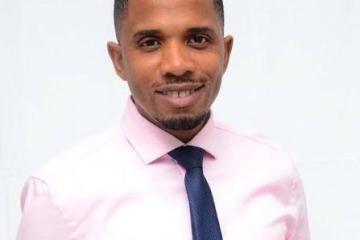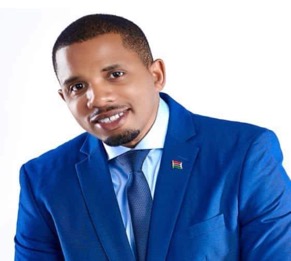
Speaking on West Coast Radio’s Coffee Time programme with host Peter Gomez, Dr. Ceesay addressed growing public frustration over the payment of the security fee at the airport, an issue some believe is hurting tourism and inconveniencing travellers, particularly Gambians.
The minister acknowledged the concerns but rejected claims that the fee is driving tourists away. “We’ve not got any data which tells us that tourists are not coming to Gambia because of the security fee. The tourism sector recorded a boom in arrivals this year despite the levy.”
According to Dr. Ceesay, Gambia is not alone in charging such a fee. He explained that countries like Senegal, Sierra Leone and others operating under similar concessions also collect security fees from passengers. “The key difference, is that in those countries the fee is embedded in the ticket price, while in Gambia passengers are still required to pay at the airport.”
“We understand the inconvenience. We don’t want it,” the minister said, stressing that government is working hard to ensure the fee is eventually included in the ticket to ease the burden on travellers. However, he maintained that whether the payment is made at the airport or through the ticket, it is still a necessary cost.
Dr. Ceesay urged Gambians to look at the benefits of the security fee, describing it as a major factor in making Banjul International Airport safe and credible. He said the levy contributes to Gambia being recognised internationally as a secure destination and even plays a role in the country’s ranking as one of the safest in Africa.
“This is something we pay for, otherwise, we would have been known as a very unsafe airport, and that could affect our reputation as a destination.”
Responding to concerns about transparency and where the money goes, the minister explained that the security arrangement operates as a public private partnership. “Under the concession, revenue collected is shared between government and the private partner, with significant reinvestment required to maintain and upgrade security systems.”
He insisted that government has nothing against the concession, describing it as a good arrangement and, more importantly, a necessary one. According to him, modern security systems allow authorities to know who enters the country and, in some cases, their criminal history, ensuring that only safe travellers are allowed in.
Dr. Ceesay also revealed that he personally commissioned a short documentary explaining how the security system works and why it is important. Although it has not yet been published, he said it is complete and meant to help the public understand where the money goes.
On regional developments, the minister acknowledged that ECOWAS discussions on reducing the cost of air travel could affect current arrangements, noting that Gambia and other member states are engaging the bloc to resolve the issue collectively. Still, he was clear on one point airport security must be paid for by someone.