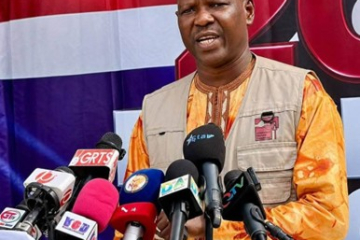
Presidential candidate Talib Ahmed Bensouda has proposed measures to reduce The Gambia’s dependence on imported goods, citing an estimated D500 million spent on imported furniture as evidence of the country’s untapped local production potential.
Bensouda said his proposed economic policy would prioritise domestic production, encourage investment in local industries and create employment opportunities, particularly for young people.
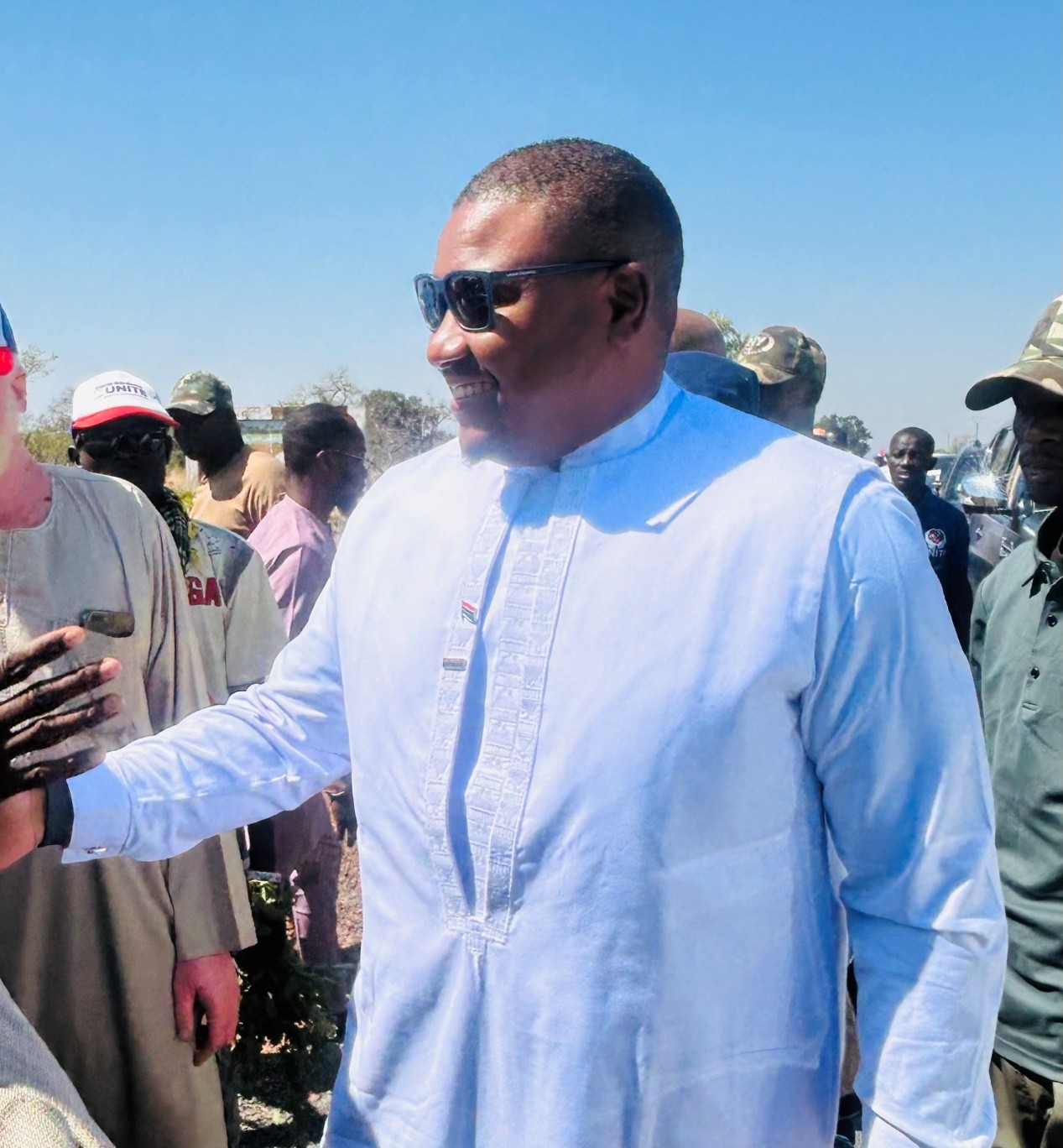
Speaking in an interview during his campaign tour of the provinces, the Unite Movement for Change flagbearer argued that The Gambia’s economy remained largely unproductive because government investment had focused heavily on infrastructure without sufficiently developing the productive capacity of citizens.
He identified furniture manufacturing as one of the sectors where local businesses could be empowered to meet domestic demand instead of relying on imported products.
According to Bensouda, the country spends approximately D500 million on imported furniture, with government procurement alone accounting for about D100 million worth of furniture, much of which is imported.
He argued that local timber resources could be utilised to establish and strengthen furniture manufacturing industries, creating employment while retaining more money within the domestic economy.
“The amount of furniture imported in The Gambia is about D500 million. Government itself procures somewhere around D100 million worth of furniture, and these are all imported products,” he said.
Bensouda said his administration would consider using import duties and tariffs to discourage the importation of basic products that could be manufactured locally, thereby encouraging domestic industries to expand production.
He also linked the country’s dependence on imported goods to pressure on the Dalasi, explaining that businesses require foreign currencies, including the US dollar and CFA franc, to pay for imported products.
He argued that increased demand for foreign currency, coupled with limited domestic production, contributes to pressure on the exchange rate and rising prices of goods.
Bensouda further criticized the government’s approach to revenue generation, arguing that increased import duties place additional pressure on businesses and consumers already struggling with the cost of living.
He said his economic program would focus on strengthening the Dalasi, expanding local production and reducing the tax burden on imported goods that could be produced within the country.
Access to finance, he added, would be central to achieving these objectives. Under his 66-point agenda, he proposed establishing an agricultural bank and a small finance bank to provide financing for farmers, horticultural producers and people engaged in animal rearing.
He also proposed removing ceilings on groundnut prices to enable farmers to earn more from their produce.
On employment and workers’ welfare, Bensouda pledged to introduce a minimum-wage policy that would cover both public and private sector workers.
He argued that increasing salaries for government employees alone would not address the economic difficulties facing ordinary Gambians whose incomes have remained stagnant despite rising living costs.
He said strengthening local production, improving access to finance and encouraging investment would form the foundation of his proposed economic transformation agenda.