The Government of The Gambia has procured medicines and medical consumables worth over US$700 million under its annual medical procurement programme, as part of efforts to make essential health products available to all Gambians.
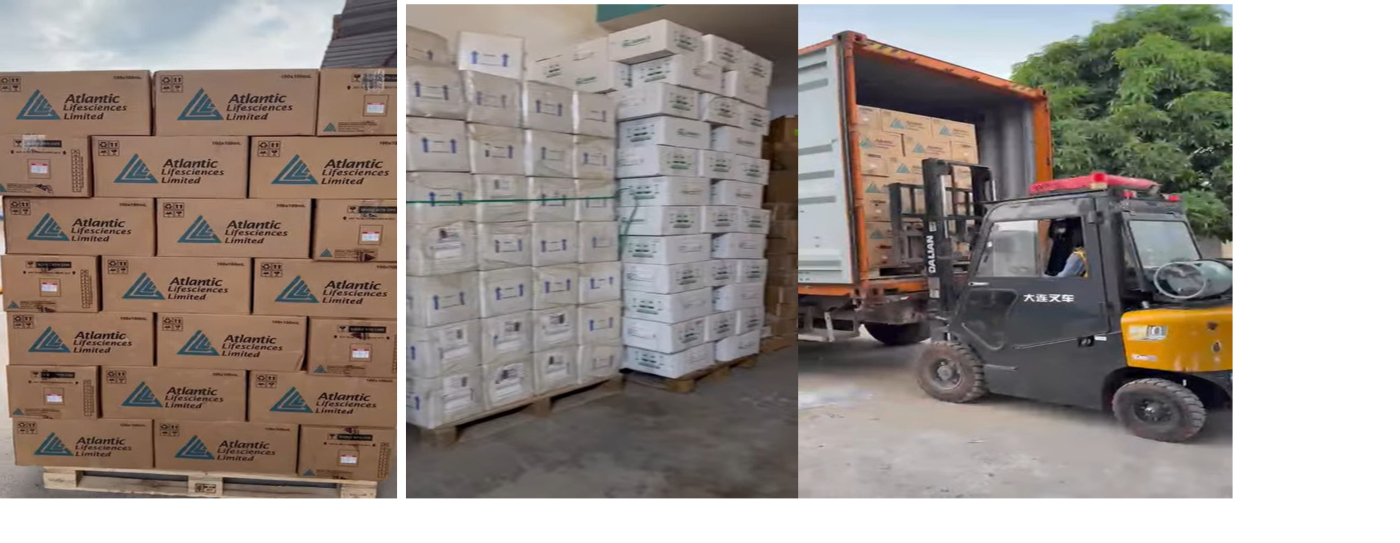
The consignments have been arriving progressively since April and are being received and handled through the Central Medical Store in Kotu for storage and onward distribution to health facilities. Seven containers have been received recently, with additional consignments still on the way.
According to officials, the procurement exercise has been ongoing since the beginning of the year and is aimed at bringing vital health services to the doorstep of every citizen.
Providing an overview of the supplies, Njundu Jatta, a clinical pharmacist at the National Pharmaceutical Services under the Ministry of Health, said deliveries are still arriving due to delays from suppliers.
“That’s why if you go to some facilities, you realize that they don’t have most of the items. But over a period of time, hopefully before the end of this year, we will have most of these items available at health facilities,” Jatta explained.
He added that the medicines have been arriving in batches.
“They’ve been delivered in bits and pieces, but we have received a lot of products,” he said, adding: “The monetary value is over US$700 million and shipments continue to arrive.”
Jatta said the Ministry has a structured distribution system in place to ensure nationwide coverage.
“If you look at the regions, we have seven health regions in the country and each has its own medical store. What we do is distribute to the regional medical stores, and when they receive their supplies, they distribute to health facilities within their region,” he said.
On ensuring that medicines reach intended beneficiaries, he said the Ministry uses the Essential Medicines List — a comprehensive list compiled by experts across different health disciplines.
“For example, for hypertension, diabetes, or any kind of infection, the list covers medicines needed to treat almost all conditions. So that when a patient goes to a facility and is diagnosed, that medicine should be available,” he said.
While distribution is normally done quarterly, Jatta stressed that the Ministry is not waiting for the quarterly cycle.
“When we receive supplies, we push them to facilities immediately. We will not wait for three months. Whatever is available, we want to make sure every health facility has it,” he said. “Our objective is to ensure that at any point in time, when you get to any facility, you have access to the drugs.”
He added that while most supplies traditionally come from India, the Ministry has recently diversified its sources to include suppliers from the European Union.
“So, the shipment currently at the airport is from Europe, the UK and neighbouring countries,” he said.