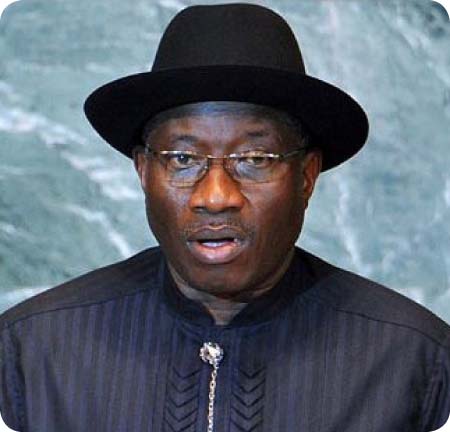
Jonathan, who has mediated crises across West Africa, including in Mali, said the unfolding events in Guinea-Bissau are more painful to him than the day he conceded defeat in Nigeria’s 2015 election. He recalled the years of instability that gripped Guinea-Bissau between 2011 and 2014, including incidents where soldiers intimidated political leaders. He warned that the current situation mirrors those “dark days” when the military acted without restraint.
He emphasised that the country’s recent election was peaceful and credible. As a member of the West African Elders Forum, he monitored parts of the capital and surrounding areas and noted that all observer groups reported similar findings. According to him, polling, counting, and collation were conducted transparently across all nine regions, and results were ready for final declaration before the sudden announcement of a coup.
Jonathan insisted that both ECOWAS and the African Union have a responsibility to publish the results, since their officials witnessed and verified the collation at every stage. He stressed that the military cannot alter the outcome and that the international community must know who legitimately won the election. He urged ECOWAS Chair Julius Maada Bio and AU leaders to show courage by releasing the results, clarifying that he is not calling for force, only for truth and transparency.
Reacting to ECOWAS’ suspension of Guinea-Bissau from decision-making bodies, Jonathan said the move aligns with protocol, noting that the regional bloc has long rejected military rule as incompatible with economic development and political stability. He added that even if only a few member states remain committed to democratic governance, ECOWAS must stand firm and continue reforms that benefit citizens and strengthen public trust.
Addressing President Embaló directly, Jonathan expressed deep disappointment, saying a former military officer and outgoing ECOWAS Chair should have done more to prevent such a crisis in his own country. He questioned how a leader with strong ties to the security forces could preside over a situation that undermines both democracy and national stability.
Jonathan concluded by urging Guinea-Bissau’s political class to demand the release of the authentic election results and appealed to the military not to drag the country back into instability. He reminded them of the sacrifices made to stabilise Guinea-Bissau in the past and warned that citizens who queued peacefully to vote must not be betrayed by the actions of a few.