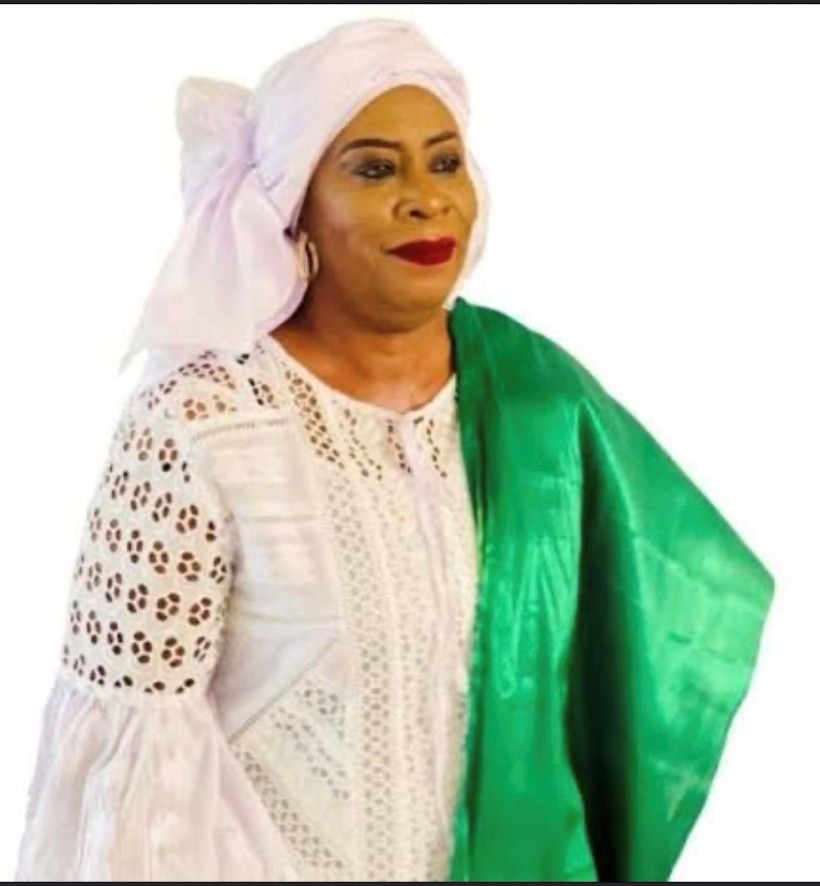
Addressing academics, civil society representatives, policymakers, and development practitioners, the High Commissioner stressed that poverty is reflected not only in low incomes but also in limited access to healthcare, education, decent employment, housing, food security, and social protection.
“Poverty is not simply a development issue; it is fundamentally a question of justice, inclusion and human dignity,” she stated, adding that millions of Africans continue to face poverty and inequality despite significant progress in innovation, entrepreneurship, democratic governance, and economic development across the continent.
The envoy urged African governments and stakeholders to move beyond rhetoric and focus on practical, people-centred solutions capable of transforming lives. Such efforts, she noted, should include investments in education and skills development, women’s empowerment, youth employment, entrepreneurship, stronger institutions, and resilient healthcare and welfare systems.
She further highlighted the interconnected nature of poverty, arguing that it cannot be addressed in isolation from other challenges such as inequality, unemployment, climate change, migration, conflict, social exclusion, and limited access to justice.
According to the High Commissioner, sustainable progress requires holistic and collaborative responses driven by solidarity among governments, development partners, civil society, academic institutions, and the private sector.
She also underscored Africa’s immense potential, citing its youthful population, abundant natural resources, creativity, resilience, and growing culture of innovation. However, she cautioned that these advantages must translate into inclusive prosperity that benefits all citizens.
The diplomat emphasised the importance of regional cooperation and multilateral engagement in developing evidence-based solutions and ensuring that the voices of vulnerable communities are included in policy discussions.
Commending the Centre for Human Rights at the University of Pretoria for convening the dialogue, she described such platforms as vital spaces for reflection, knowledge-sharing, and collective problem-solving.
Concluding her remarks, the High Commissioner reminded participants that poverty statistics represent real human experiences and struggles.
“The fight against poverty is a shared responsibility,” she said. “It demands moral courage, political will, and sustained commitment to ensure that no one is forgotten and no community is left behind.”
The webinar brought together experts and stakeholders from across Africa to discuss strategies for reducing poverty and advancing human rights-based development on the continent.