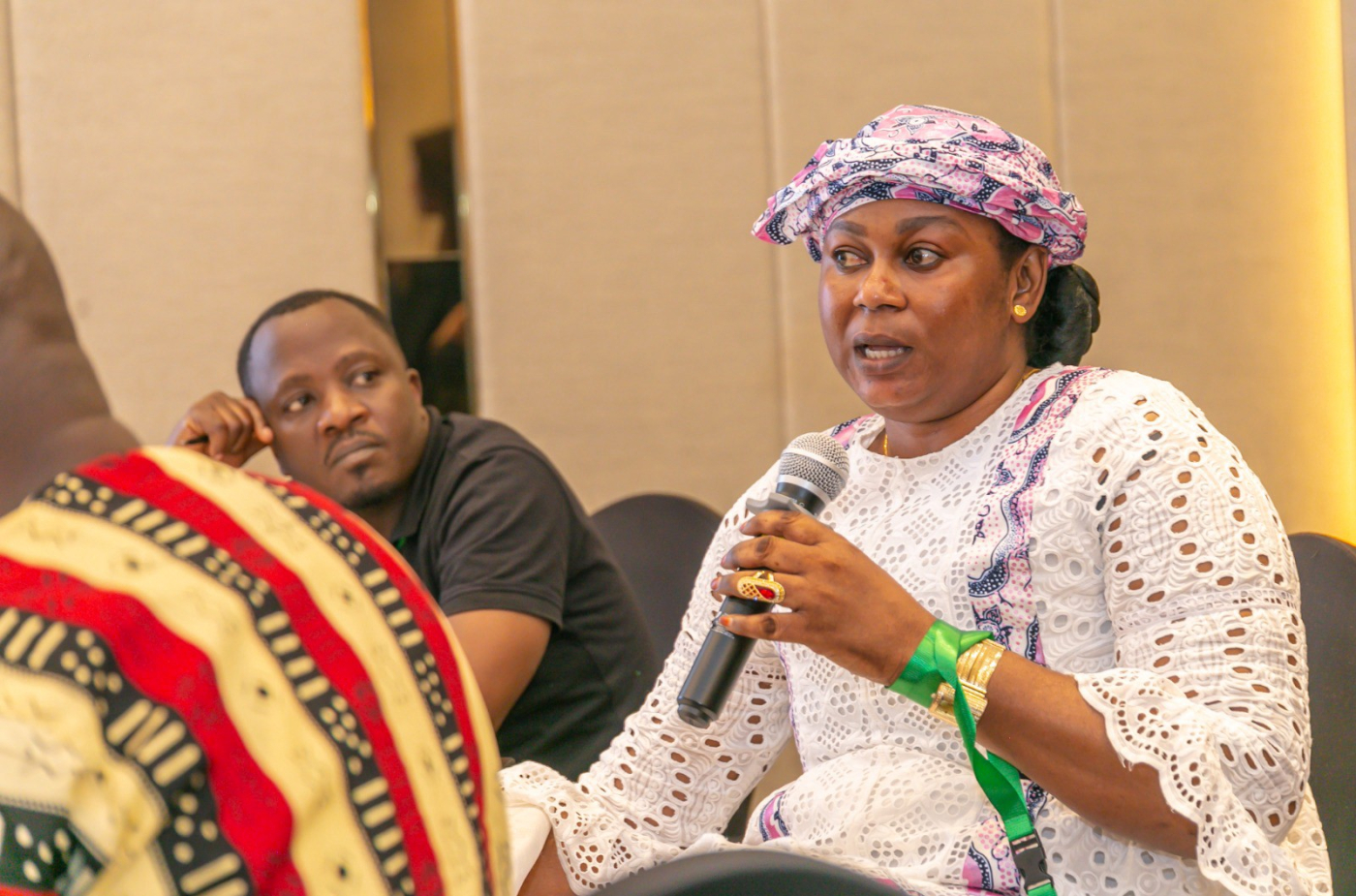
Country Director Musu Kuta Komma-Bah said protecting children from violence, abuse, exploitation, neglect, bullying and discrimination must be treated as a shared responsibility as the new academic year begins.
In a statement, Komma-Bah noted that national discussions often focus on enrolment, academic performance and resources needed to improve learning outcomes. However, she stressed that these efforts would have limited impact if children do not feel safe and supported.
“Children cannot learn effectively if they do not feel safe,” she stated.
According to her, education goes beyond classrooms, textbooks and examinations. A safe and supportive environment is equally important to ensure children attend regularly, participate actively and develop to their full potential.
She said teachers have a particularly important role to play because they are often among the first adults outside the home to notice changes in a child’s behaviour, attendance or general well-being.
Komma-Bah urged teachers to create classrooms where children are respected, included and encouraged to express themselves, while using positive discipline and inclusive teaching approaches. She called on educators to remain alert to signs of abuse, neglect, bullying and emotional distress and to respond appropriately when concerns arise.
Particular attention, she said, should be given to girls, children with disabilities and other vulnerable children who may face additional barriers to education and protection.
Parents and caregivers, she added, remain children’s primary protectors and have a critical role in supporting both education and development.
She encouraged parents to provide guidance, supervision and emotional support, maintain communication with teachers and encourage regular school attendance.
“A safe and supportive home environment lays the foundation for learning and healthy development,” she said, stressing the need for homes free from violence and harmful practices.
Komma-Bah further highlighted the responsibility of communities, saying children’s protection cannot be separated from the environments in which they live.
Community and religious leaders, women’s and youth groups and local organisations, she said, can help prevent child labour, early marriage, exploitation and other forms of violence that threaten children’s education.
She also called for continued government investment in child protection systems, safe learning environments, qualified teachers and accessible social services, including clear mechanisms in schools for identifying and responding to protection concerns.
She pointed to ChildFund’s Education for Protection and Well-being programme, supported by BMZ, as an example of efforts that strengthen the link between education and protection, noting that safe, inclusive learning environments and community-based structures help children thrive.
“The future of The Gambia is being shaped every day in our homes, communities and classrooms,” she said, adding that children must first be safe, supported and empowered if they are to succeed academically.