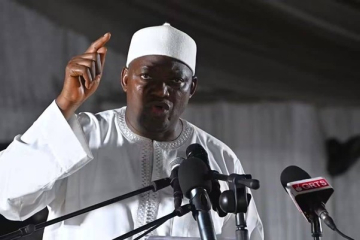
Bensouda, stressed that the transport sector’s reliance on imported fuel, coupled with aging and inefficient vehicles, has made both drivers and passengers vulnerable. “There is no structured fuel subsidy, no targeted support for commercial operators, and no mechanism to stabilize fares. Most taxis are expensive to maintain, and without government planning, drivers are forced to pass costs onto passengers,” he said.
The opposition leader accused the authorities of reacting to crises instead of planning for them. “Governance must be deliberate. It must anticipate shocks, not wait for citizens to suffer. The government has failed in its duty to protect both commuters and transport operators,” Bensouda said.
While sympathising with taxi drivers, Bensouda emphasised that they are also victims of government neglect. “They are not the enemy. But the government’s lack of a clear, fair framework for fare adjustments is forcing them to act in ways that hurt citizens,” he said.
He urged immediate action, calling for urgent dialogue between the government and transport unions, backed by practical solutions. These include temporary fuel or transport subsidies, a regulated fare adjustment mechanism, support for fleet renewal, and investment in affordable mass transit options.
“The pain is already here. The question is whether the government will respond with real policy or continue with empty rhetoric,” Bensouda warned, directly challenging authorities to take responsibility before the crisis worsens.