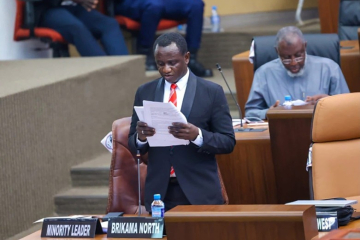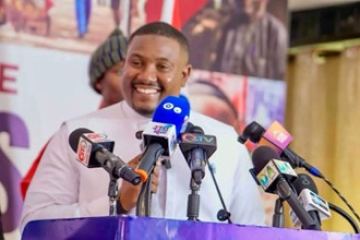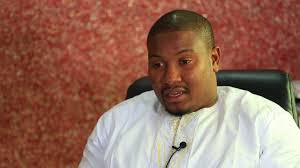
Talib Ahmed Bensouda, Mayor of the Kanifing Municipal Council (KMC) and presidential aspirant of the UNITE party, has outlined an ambitious blueprint for transforming The Gambia, promising sweeping reforms in governance, security, agriculture, healthcare, education and the economy should he be elected president in the 2026 presidential election.
In an exclusive interview with The Point, Bensouda spoke extensively on the country's pressing challenges, ranging from the rising cost of living and youth unemployment to corruption, tribalism, judicial independence and national security. He maintained that his administration would focus on restoring public confidence in state institutions while creating conditions for sustainable economic growth without plunging the country deeper into debt.
According to Bensouda, economic revival remains at the heart of his vision for The Gambia. He argued that the country's economy can be stabilised and placed on a stronger footing through prudent fiscal management, strategic investment and enhanced support for productive sectors.
"We can improve living conditions, create opportunities and address the challenges facing ordinary Gambians without increasing the national debt burden," he said.
The UNITE leader stressed that his administration would prioritise policies aimed at boosting economic productivity, creating jobs and attracting investment while ensuring transparency and accountability in the management of public resources.
Three Priorities in First 100 Days
Asked about the three key decisions he would take during his first 100 days in office if elected president in 2026, Bensouda identified security and democratic reforms as immediate priorities.
Firstly, he pledged to facilitate the smooth withdrawal of the ECOWAS Mission in The Gambia (ECOMIG), arguing that the country should gradually assume full responsibility for its security affairs.
Secondly, he vowed to accelerate Security Sector Reform (SSR) to strengthen professionalism, accountability and effectiveness within the country's security institutions.
His third priority would be the repeal of the controversial Public Order Act provisions that require citizens to obtain police permits before staging protests.
Bensouda said a future administration under his leadership would replace the permit requirement with a notification system, whereby organisers would only be required to inform the police of their intention to protest.
"The role of the police should be to provide security and protection for protesters, not to determine whether citizens can exercise their constitutional rights," he asserted.
Strong Stance Against Tribalism
Turning to the issue of tribalism, Bensouda described it as a growing threat to national unity and security. He revealed plans to introduce legislation specifically aimed at criminalising tribal discrimination and incitement, while ensuring safeguards against political abuse.
"Tribalism threatens national cohesion and must be confronted decisively. Those found promoting tribal hatred or discrimination should face the full force of the law," he said.
However, he emphasised that such legislation would not be used as a tool to silence critics, suppress opposition voices or target political opponents.
Healthcare Reform
On healthcare, the mayor outlined a comprehensive strategy aimed at making quality and affordable healthcare accessible to all Gambians.
He said millions of Gambians continue to face difficulties accessing essential medical services and affordable treatment. Under his proposed administration, he went on, priority would be given to improving healthcare infrastructure, increasing access to medicines, enhancing medical services and ensuring that healthcare delivery adequately addresses the needs of citizens across the country.
"We want a healthcare system that works for every Gambian, regardless of where they live or their economic status," he added.
Revitalising Agriculture
Agriculture, a sector widely regarded as the backbone of The Gambia's economy, also featured prominently during the interview.
Bensouda pledged to revitalise the sector through mechanisation, increased investment and targeted support for farmers. Particular attention, he said, would be given to revamping the Jahally-Pacharr Rice Project, which he described as having enormous potential to boost local rice production.
According to him, with the right policies, modern equipment and sufficient support, The Gambia could significantly reduce its dependence on imported rice. "We may not immediately eliminate rice imports altogether, but we can substantially reduce them through increased domestic production," he stated.
He further pledged to improve farmers' access to finance, provide modern farming equipment and ensure the timely availability of fertilisers at affordable prices.
‘No Compromise on Corruption’
Bensouda also adopted a tough stance on corruption, vowing that his administration would pursue zero tolerance for the misuse of public resources.
He maintained that corruption remains one of the major obstacles to national development and warned that individuals found guilty of stealing public funds would face strict legal consequences. "There will be no compromise when it comes to corruption. Anyone found stealing public resources will face the full force of the law," he declared.